• Donate
  • Login
Wednesday, July 1, 2026
  • Login
  • Register
Canary
Cart / £0.00

No products in the basket.

MEDIA THAT DISRUPTS
  • UK
  • Global
  • Opinion
  • Skwawkbox
  • Manage Subscription
  • Support
  • Features
    • Health
    • Environment
    • Science
    • Feature
    • Sport & Gaming
    • Lifestyle
    • Tech
    • Business
    • Money
    • Travel
    • Property
    • Food
    • Media
  • SHOP
No Result
View All Result
MANAGE SUBSCRIPTION
SUPPORT
  • UK
  • Global
  • Opinion
  • Skwawkbox
  • Manage Subscription
  • Support
  • Features
    • Health
    • Environment
    • Science
    • Feature
    • Sport & Gaming
    • Lifestyle
    • Tech
    • Business
    • Money
    • Travel
    • Property
    • Food
    • Media
  • SHOP
No Result
View All Result
Canary
No Result
View All Result
  • Editorial
  • Explainer
  • Global
  • Opinion
  • Environment
  • Feature
  • Food
  • Health
  • Science
  • Skwawkbox
  • UK

20 Scientists warn 2026 World Cup heat could endanger players and fans

Alaa Shamali by Alaa Shamali
17 May 2026
in Global
Reading Time: 3 mins read
175 4
A A
0
Home Global
Share on FacebookShare on TwitterShare on BlueskyShare via WhatsAppShare via TelegramShare on Threads

Just days before the start of the 2026 World Cup finals, international warnings are escalating regarding the climate risks that players and fans may face during the anticipated tournament in the United States, Canada, and Mexico. These concerns are rising amid increasing fears about the impact of high temperatures and high humidity on physical safety and athletic performance.

The Reuters revealed that about 20 international scientists and experts in health, climate, and sports performance directed an open letter to FIFA, in which they asserted that currently approved heat management protocols are “insufficient” and do not align with the latest scientific studies related to heat stress in sports.

High heat, elevated humidity, and solar radiation

According to the report, experts warned that the danger is not solely linked to temperature but is exacerbated by high humidity and intense solar radiation. This combination increases fluid loss and raises the likelihood of muscle cramps, exhaustion, and heat stroke, especially given the congested match schedule and the staging of some matches during daytime hours.

The experts, according to Reuters, indicated that some host cities might experience temperatures ranging between 30 and 40 degrees Celsius during the summer tournament. They called for extending mandatory cooling breaks to at least six minutes, in addition to postponing or rescheduling matches when climatic conditions reach levels that threaten player safety.

World Cup and the impact of climate change on football

For its part, The Guardian newspaper, in its report, focused on the broader climate dimension of the tournament, suggesting that the 2026 World Cup could turn into an “unprecedented test” of global football’s ability to adapt to the repercussions of climate change.

The British newspaper explained that the risks of extreme heat have doubled compared to the 1994 World Cup hosted by the United States, due to globally rising temperatures in recent decades. It also pointed out that several American and Mexican cities are likely to register very high temperatures during matches, particularly during daytime fixtures.

According to The Guardian, the concerns are not limited to players but also extend to fans, with expectations that spectators will be exposed to long periods of direct heat inside the stadiums and surrounding open areas.

Unsafe climatic conditions

BBC Sport highlighted the position of the professional players’ union, FIFPRO, which considered some expected climatic conditions during the tournament to be “unsafe” for players, especially with the increasing match congestion in modern football.

The British network clarified that FIFA is already considering a series of protective measures, including implementing mandatory cooling breaks during both halves of matches, providing air-conditioned benches for substitutes and technical staff, and continuously monitoring heat and humidity levels inside the stadiums.

BBC also mentioned the possibility of adjusting the timing of some matches to avoid peak heat hours, as the international federation seeks to reduce health risks for both players and fans.

As part of fan protection plans, FIFA is working to provide shaded areas, misting systems, cooling buses, increase water distribution points, and allow closed water bottles into matches held in extremely hot conditions.

With mounting scientific warnings and pressure from players’ unions, the 2026 World Cup appears not just to be a global football event, but a real test of football’s ability to confront the challenges of a changing climate, in a tournament that may be held under one of the most severe thermal environments in World Cup history.

Featured image via Geoff Stellfox/Getty Images

Tags: footballWorld Cup 2026
Share133Tweet83ShareSendShareShare
Previous Post

Reform’s Bradford leader exposed as a racist pervert

Next Post

SECOND secret Israeli base discovered in Iraqi desert

Next Post
Iraq

SECOND secret Israeli base discovered in Iraqi desert

Tony Greenstein holding the 'Globalise the Intifada' slogan poster at the Nakba Day march in London on 16 May 2026

Jewish activist arrested for 'Intifada' placard while right's hate unpunished

Adam Mitula, of Reform, outside campaigning in Makerfield

Reform deploys 'suspended' antisemite to Makerfield by-election campaign

Andy Burnham with his hands up in the air mid-shrug

The King in the North will not save us

DWP logo on glass

DWP benefit fraud and error remains largely the same since 2025

Leave a Reply Cancel reply

Your email address will not be published. Required fields are marked *

When the Scale Refuses to Move Despite Every Effort
Health

When the Scale Refuses to Move Despite Every Effort

by Nathan Spears
1 July 2026
Decoding Market Trends: Real-Time Signals in Tech Growth
Money

Decoding Market Trends: Real-Time Signals in Tech Growth

by Nathan Spears
1 July 2026
Why Coffee Machines Aren’t Just a Luxury… They’re Survival Gear
Lifestyle

Why Coffee Machines Aren’t Just a Luxury… They’re Survival Gear

by Nathan Spears
1 July 2026
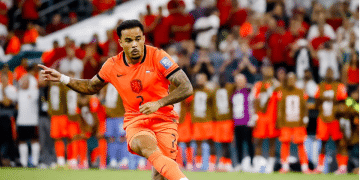
Justin Kluivert of the Netherlands during the penalty shootout in the FIFA World Cup 2026 Round of 32 match between the Netherlands and Morocco at Monterrey Stadium in Monterrey, Mexico, on June 29, 2026. He was one of three Black football players from the Dutch side to take a penalty kick.
Sports

Black football players targets of racist abuse after missing penalties

by Alaa Shamali
1 July 2026
A leaked photograph of the Sde Teiman detention facility shows a blindfolded Palestinian man with his arms above his head behind a metal wire fence in 2024. Knesset politicians defeated a bill to ban visits from the Red Cross.
Analysis

Knesset vote against ICRC ban for Palestinian political prisoners

by Charlie Jaay
1 July 2026

The Canary
PO Box 71199
LONDON
SE20 9EX

Canary Media Ltd – registered in England. Company registration number 09788095.

For guest posting, contact [email protected]

For other enquiries, contact: [email protected]

Complaints and Corrections

About the Canary

Meet the Team

© Canary Media Ltd 2026, all rights reserved | Website by Monster | Hosted by Krystal | Privacy Settings

Ok

Create New Account!

Fill the forms below to register

All fields are required. Log In

Retrieve your password

Please enter your username or email address to reset your password.

Log In
  • UK
  • Global
  • Opinion
  • Skwawkbox
  • Manage Subscription
  • Support
  • Features
    • Health
    • Environment
    • Science
    • Feature
    • Sport & Gaming
    • Lifestyle
    • Tech
    • Business
    • Money
    • Travel
    • Property
    • Food
    • Media
  • SHOP
  • Login
  • Sign Up
  • Cart