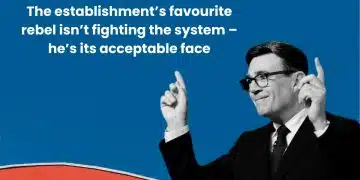
How Online Conversations Shape Political Awareness

Checking your messages and replying to friends is just what we do every single day. They happen in comment sections, group chats, forums, and social media feeds. These quick chats seem light, but they actually shape how we process headlines and build our political views. Since the UK is so plugged in, web based discussions carry a lot of weight. These online conversations shape how the public understands and follows political news today.
From Headlines to Conversations
In the past, people learned about politics mainly from newspapers, radio, or television. Today, a headline is often just the starting point. A news article is shared. Someone added a short comment. Another person disagrees. A debate starts.
This shift matters. According to UK media studies, over 70 percent of adults now get at least some of their news online. Many do not just read it. They react to it. They discuss it. They reshape it through conversation.
Online discussions turn passive reading into active thinking. The ability to talk freely online with both like-minded people and opponents allows you to explore all sides of an issue. Live video is ideal for this, as live communication allows you to quickly and accurately convey ideas. While online chat is only one form of discussion, it is a modern and popular trend that is only gaining momentum.
Social Media as a Political Classroom
Social platforms act like informal classrooms. There is no teacher. No fixed lesson. Still, learning happens.
People explain political ideas to each other using simple language. They share personal stories. They post short summaries of complex topics. This makes politics feel less distant. Less official. More human.
In the UK, younger voters are especially active in these spaces. Surveys show that nearly 60 percent of people aged 18–29 say social media helps them understand political issues better. For many, it is their first contact with political debate.
However, this classroom is noisy. Not every voice is informed. Not every post is accurate.
Speed, Emotion, and Attention
Online conversations move fast. Very fast.
A political event can spark reactions within minutes. Emotions spread quickly. Anger travels faster than calm explanation. This shapes awareness in a specific way.
People remember what made them feel something. A sharp comment. A viral post. A strong opinion. This can increase engagement, but it can also reduce depth.
Studies on digital behavior suggest that emotional content is shared up to twice as often as neutral news. That means political awareness online is often emotional first, factual second.
This does not make it useless. It makes it different.
Echo Chambers and Shared Beliefs
Chatting on the internet often traps people in a loud echo chamber. We usually stick with folks who share our point of view. Computers spot your habits. Then they push similar posts into your feed.
Leaders often hide facts. This stunts public knowledge. We often feel like experts. However, we usually just see what we want to see. British studies indicate that people with firm political beliefs mostly talk to others who already agree with them.
These digital walls actually have cracks. Arguments cross boundaries. Shared ideas land in brand new places. Unexpected discussions happen.
Internet hangouts are messy. They pack in a lot more diversity than people realize.
The Role of Comments and Replies
People usually write off comment threads as total messes. These pieces matter. They define how we grasp the truth.
Feedback from the crowd puts every headline to the test. It fixes your slip ups. It fills in the gaps. People usually scan the comment section to help shape their own opinions.
Local policy shifts. They truly matter now. New rules often look great on paper until the public spots the winners and losers. This back-and-forth builds awareness step by step.
In the UK, major news sites report that political articles receive the highest number of comments. This proves that folks want to jump in and participate rather than just sit back and watch.
Misinformation and Collective Correction
Messaging people on the internet can get messy. False information spreads easily. People often believe a bold voice even if the facts are flat out wrong.
But look at the flip side. Everyone helps spot and pull the weeds.
Fact checkers and regular folks tend to shut down fake news almost as soon as it starts. You will see folks replying with web sources, raw numbers, or a quick look at their past experiences. While not perfect, this peer-based correction can limit long-term damage.
Watching a sharp debate forces you to think. It turns raw information into actual knowledge by showing you how different people interpret the same reality.
Everyday Language and Real-Life Politics
One strength of online conversation is language. People rarely speak like politicians. They use everyday words. Simple examples. Direct questions.
This lowers the barrier to entry. Someone who would never read a long political report might still join a discussion thread. Awareness starts small. A question. A reply. A follow-up.
In the UK, where political systems can feel complex, this informal translation is powerful. It turns abstract politics into daily life.
Conclusion: Awareness Through Interaction
Chatting on social media can’t fill the shoes of actual reporting. They build on it. You get to hear actual people sharing their grit and joy. It beats dry headlines every single time.
People build their political views by talking to each other. Through agreement and conflict. Strike while it is hot then study the ashes.
Folks across the UK and across the globe pick up political knowledge through daily chats, rather than just scrolling through headlines. What we post and how we react shapes the way everyone understands our society.
Online conversations are messy. Wild and messy. Life tests patience. Yet they are now one of the main ways political awareness is formed in the digital age.


Leave a Reply