West Bank: Land access and illegal settlement growth reshape life in Sinjil

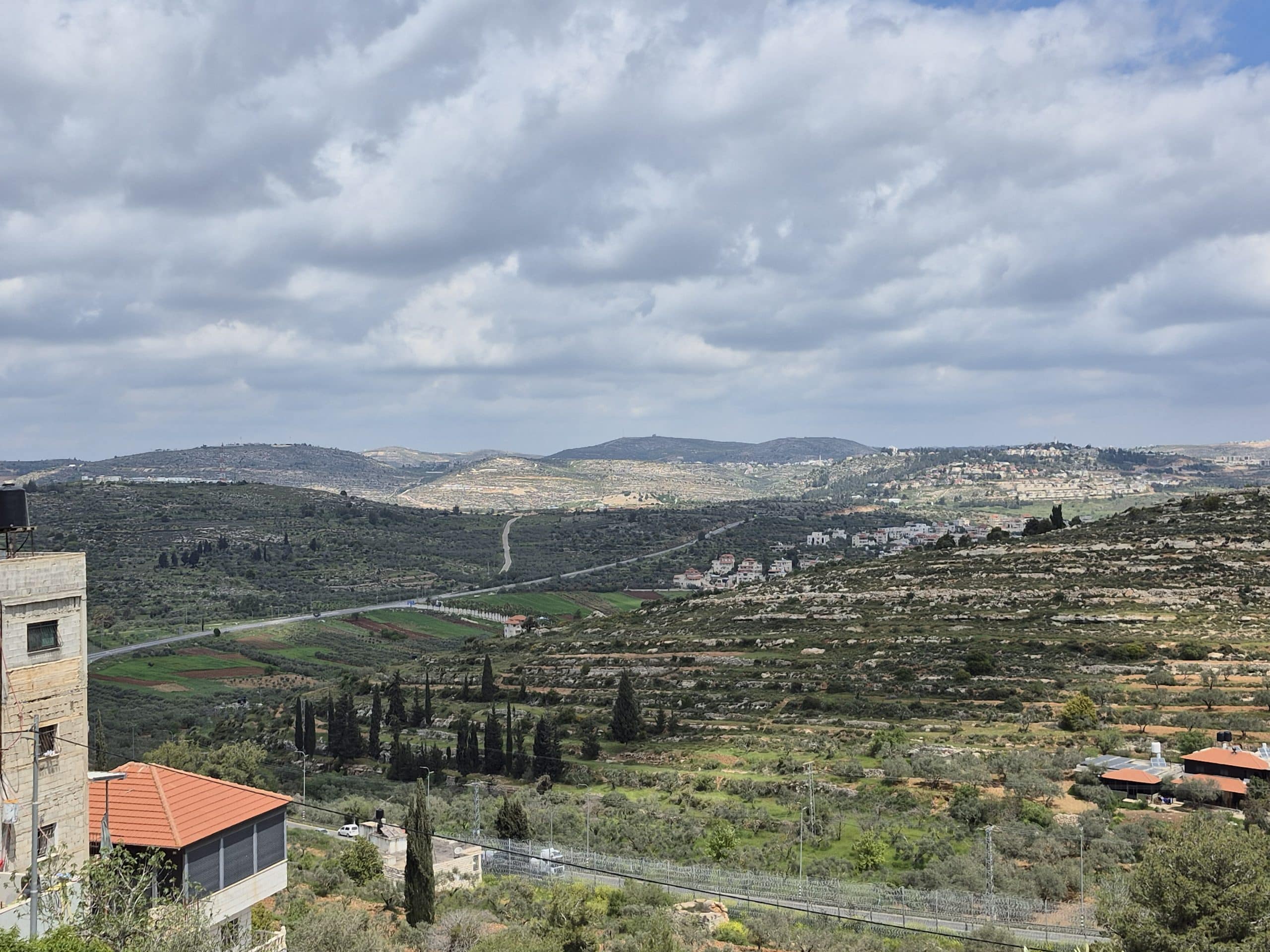
In the village of Sinjil, in the occupied West Bank, a combination of land designations, new barriers and expanding nearby settlements is reshaping the landscape and the lives of the people who depend on it.
Israeli occupation authorities have recently seized 465 dunums of land belonging to Sinjil, which is north of Ramallah.
The land — equivalent to around 115 acres, or 70 football pitches — has been designated as “state land”. It is the area on which the illegal outpost of Givat Haroeh, now known as Karmei Oz, was established in 1998.
While the built-up area of the outpost covers approximately 100 dunums, according to Peace Now, the declaration includes an area 4.5 times larger. This will allow for the future expansion of the outpost. It will also create a continuous geographical corridor connecting the settlements surrounding Sinjil.
The declaration of state land is one of Israel's primary methods of taking control of land in the occupied territories. Read about the latest declaration: 465 dunams south of Nablus to legalize an illegal outpost and enable its future expansion. Link in the comments. pic.twitter.com/FXz6K7mlgz
— Peace Now (@peacenowisrael) June 25, 2026
‘Legalising’ the illegal in the West Bank
Givat Haroeh was “legalised” by the occupation in February 2023. Now declared as state land, the land can be allocated for planning and construction.
Finance minister, illegal settler and war criminal, Bezalel Smotrich, announced on X:
Great news for settlement: 465 dunams have been declared state lands for the purpose of expanding the Gva’ot HaRoeh settlement.
Against the left’s plans to evacuate settlements—we continue to build, expand, and promote de facto sovereignty that strengthens the security of the residents of Kfar Saba, Ra’anana, Modi’in, Jerusalem, Be’er Sheva, and all Israeli citizens.
During my tenure, a Palestinian state will not arise.
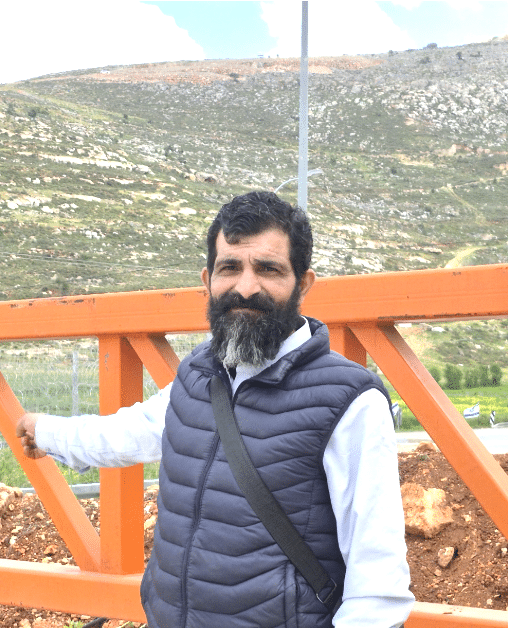
Ayed Ghafari is a Palestinian human rights activist, who lives in Sinjil. He told the Canary:
The village is surrounded by three big settlements and five new outposts. All are on land belonging to Sinjil. These outposts have all been established since 2023, and have taken more than 10,000 dunums [or 2470 acres of land].
Relentless attacks on innocent people
There has been ongoing violence by settlers and the Israeli Occupation Forces (IOF), but things have hugely escalated since October 2023.
Settlers regularly terrorise the residents, carrying out arson attacks on agricultural land and homes, and directing violence towards the residents. This very often occurs under the watch and protection of the IOF. There have also been several recent cases where Palestinians have been murdered by settlers and occupation soldiers.
In April 2025, Ayed’s cousin, 48-year-old Wael Ghafari, was brutally killed when Israeli occupation settlers stormed Sinjil. They set fire to homes, vehicles and agricultural structures, and also Wael Ghafari’s farm.
The occupation’s soldiers were present, but did not stop the violence. Instead, they attacked and suffocated Ghafari with tear gas, causing a fatal heart attack.
Two months after this, Fuad Yusef Abdulkarim Fuqaha, 15, died after being shot by the IOF near Sinjil. Soldiers entered a nearby house and deleted surveillance footage said to have captured the shooting.
The following month, during a protest against a newly-established settler outpost on Sinjil’s farmland, in Area B, settlers attacked Palestinian residents.
Sayfollah (Saif) Musallet, a 20-year-old Palestinian-American, was beaten to death with clubs and sticks, while Mohammed al-Shalabi, 23, was fatally shot in the chest.
The IOF failed to intervene and ambulances were prevented from accessing the dying. There has been no accountability for any of these crimes, so the killers are free to continue intimidating and tormenting the people of Sinjil.
The problems date back to 2019
The situation is extremely difficult across the West Bank, but Sinjil is especially hard hit.
Ghafari tells us problems started in 2019. In June of that year, the head of the water department in the civil administration issued a military order to confiscate some of Sinjil’s privately owned land. A pipeline was constructed on it, so water could be provided to the nearby illegal settlements.
Ghafari mentions a resident who has more than 200 dunums of land. Each year he makes about 60 litres of olive oil, which brings in good money for him. But today, he cannot go on his land.
Most people in Sinjil find themselves in this situation, so have now lost their source of income.
Police throw Ghafari’s incident reports away
Ghafari said:
“Ninety per cent of the people have a piece of land, but none of us can access it now because of these outposts and access problems. The settlers are now working on our land.
We can see very clearly that the government and settlers are working together. This is very hard for the farmers and also the Palestinian families.
Today, it is only me living in my home of 50 years. I have taken my family out of the house as we’ve had many troubles with settlers.
Every day they attack my house and my neighbours. When we try to call the Israeli police, the soldiers are violent to us. And when I write a report and take it to the station, the police just throw it in the garbage.
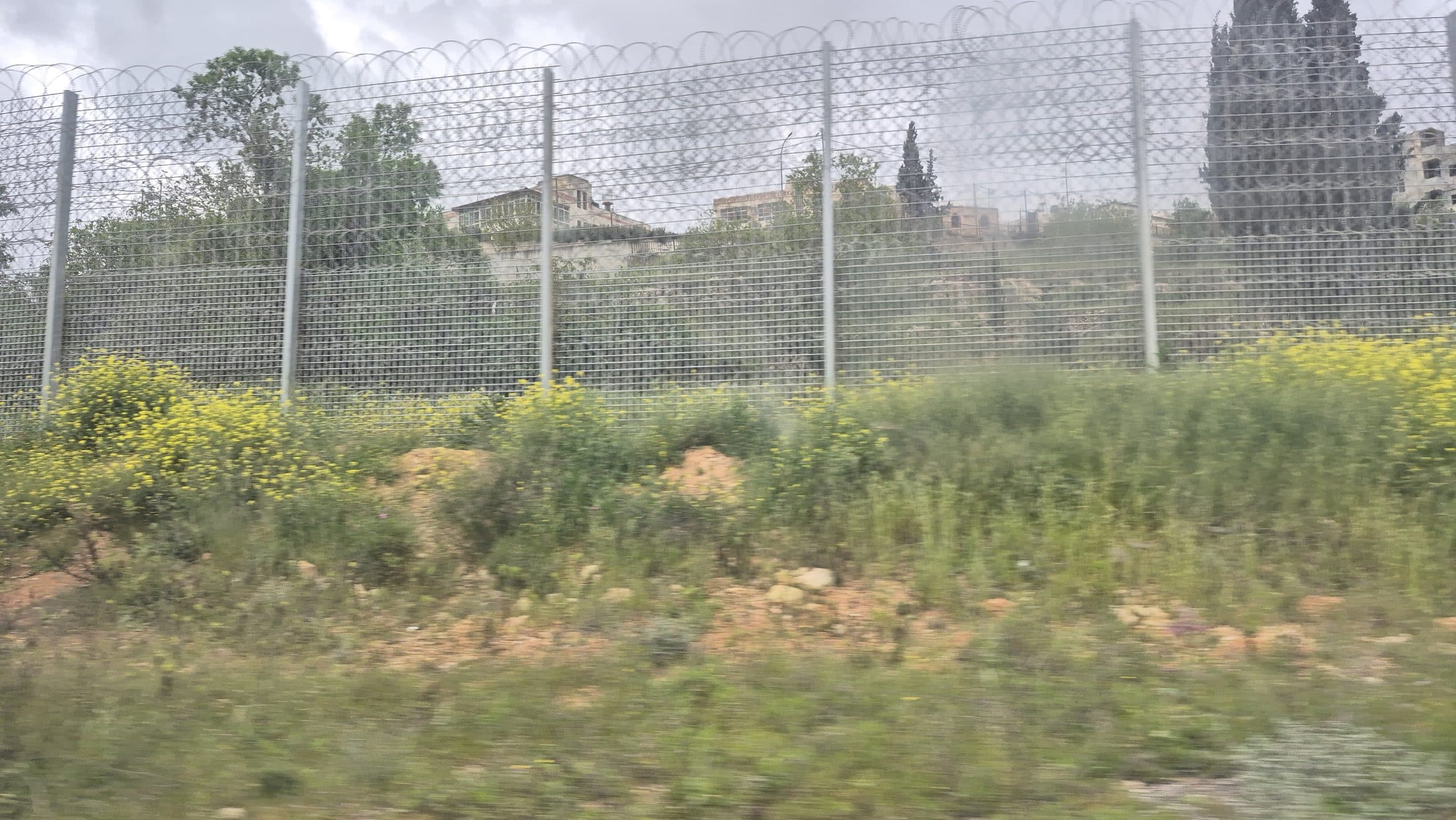
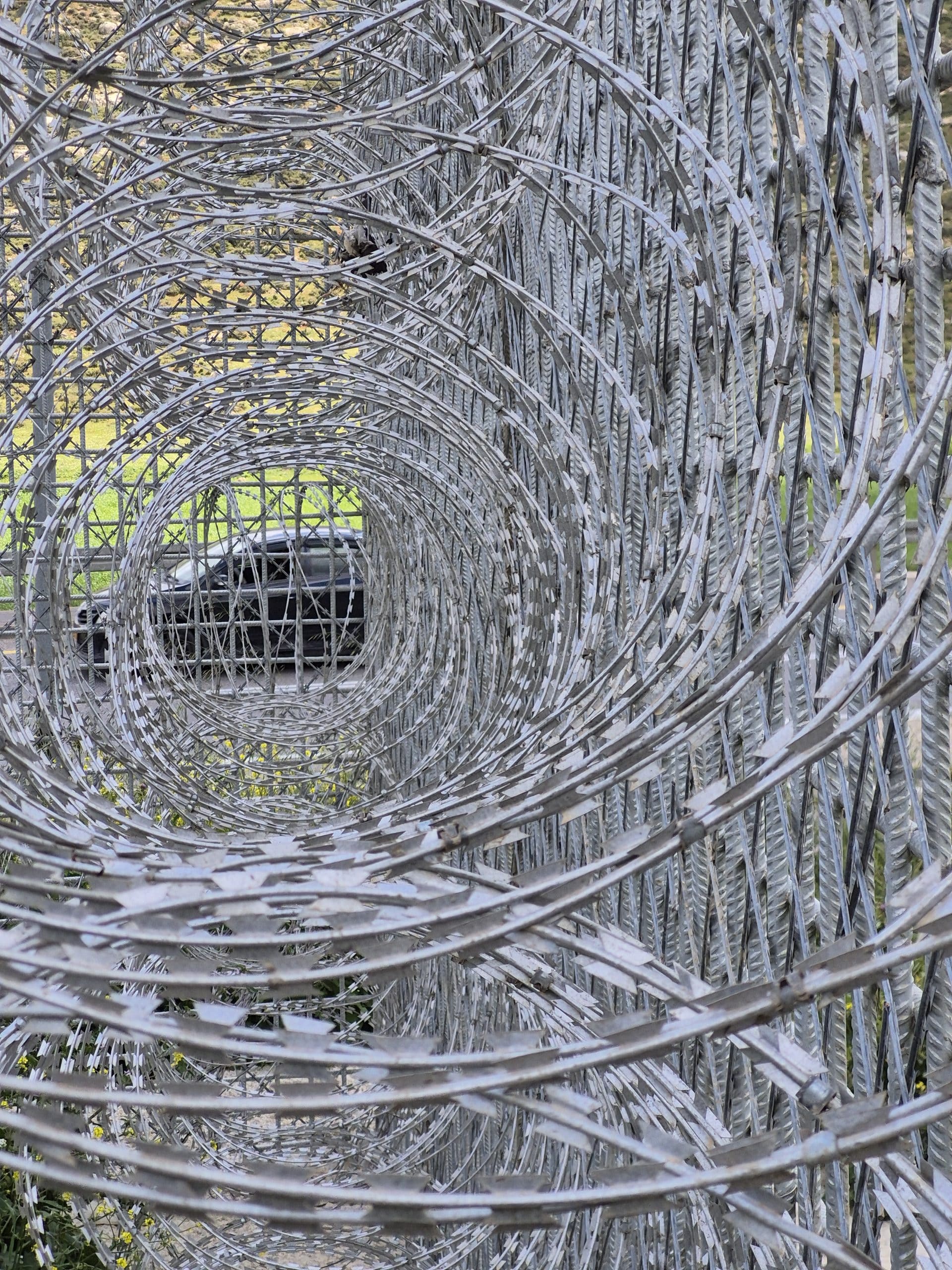
The village is now in two parts, separated by a 6m-high fence, topped with razor wire. Homes which are cut off from the village and outside of the fence, have barriers erected around them for safety to keep settlers out.
Ghafari told us most of the Palestinian homes outside the fence have nobody living in them any more. The families have left due to daily harassment and violence.
 Sinjil is a big jail for its 8,000 residents
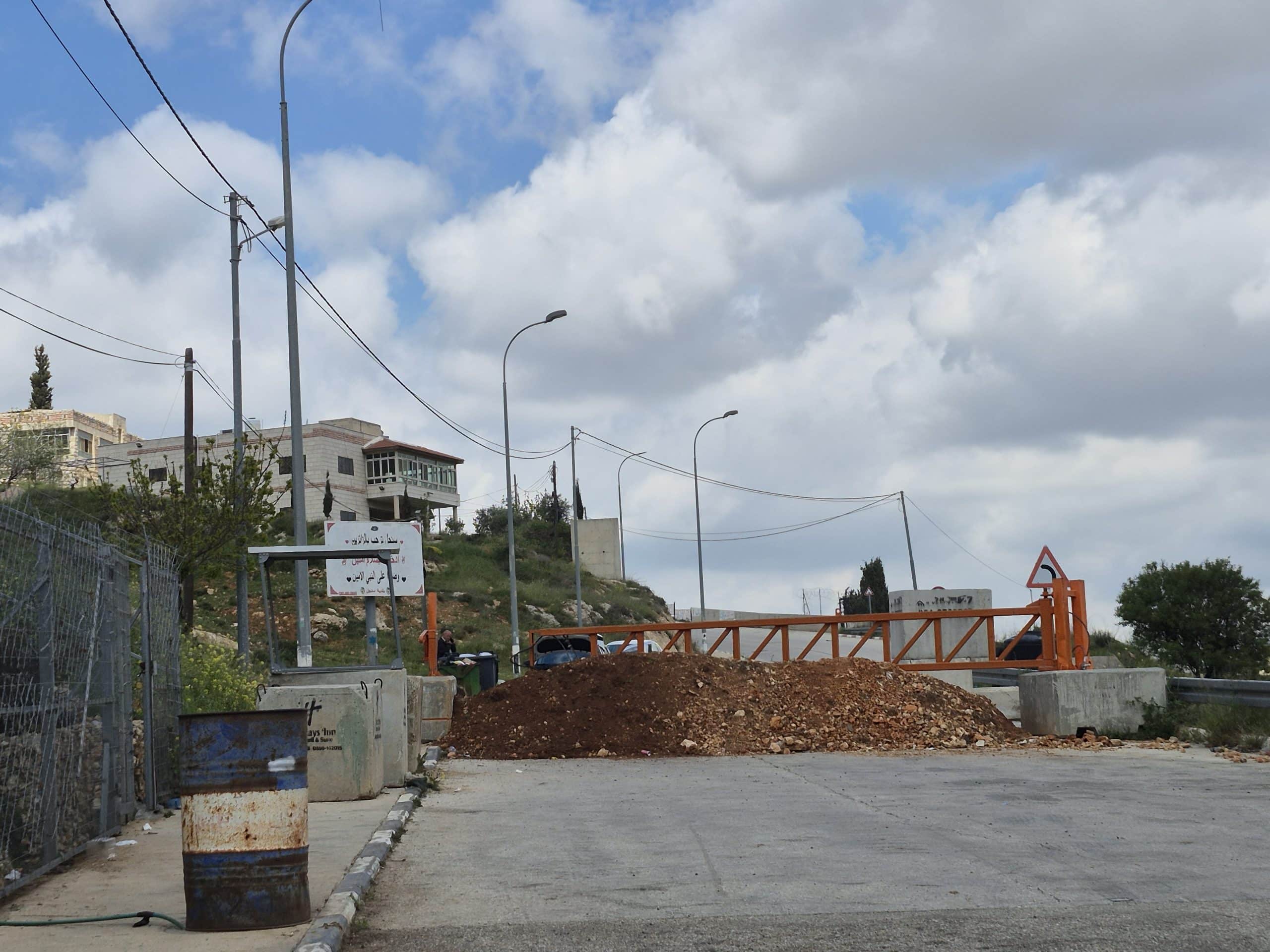
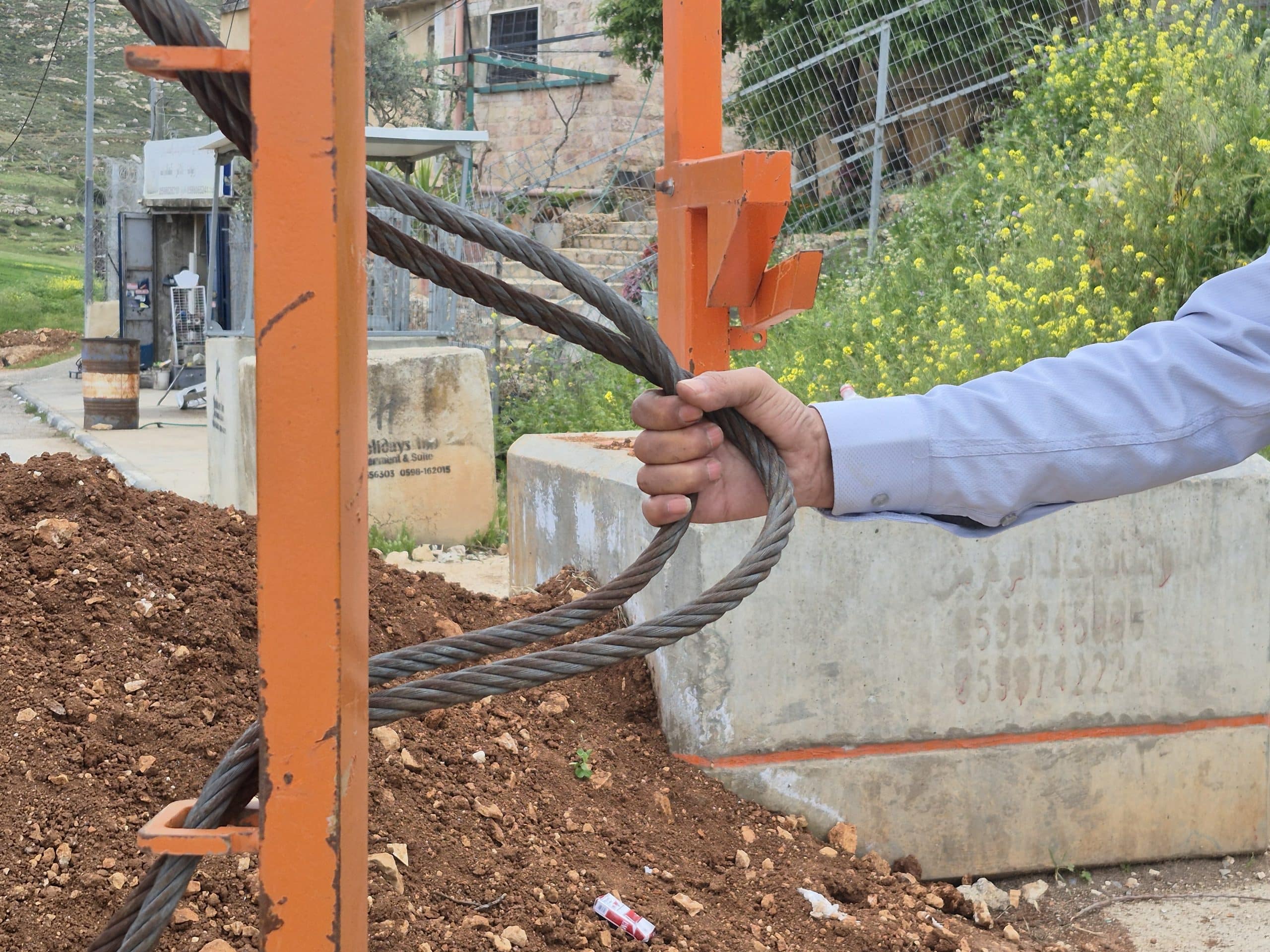
But life is no better on the other side of the fence where “Israel” attempts to control and dehumanise the population. Three of the village entrances are now permanently out of use — blocked either by mounds of earth or locked gates. The fourth is totally at the mercy of settlers.
Ghafari said:
All it takes is for one settler and one key to close the gate, and in one second Sinjil is going to be a big jail for the 8,000 Palestinians living inside. The gate may then be shut for one hour, 24 hours, or even a week. No one knows for how long they will be cut off.
The occupation says the fence and gates were installed for security reasons to prevent stones being thrown at the illegal Israeli settlers passing by on the nearby Road 60. But Ghafari has no doubts they are for the benefit of the settlements, to help them steal more land.
He added:
This has all been a plan from the first day when Smotrich, Ben-Gvir and Netanyahu went to government. Now we cannot see any law, any organisation, or any government helping the Palestinian people. Israel has not only occupied Palestine. It has occupied the world, your governments.
Sinjil is not unique. Across the occupied West Bank, movement restrictions, loss of access to land and a record level of settler violence have become a common reality for an increasing number of Palestinian communities. For residents like Ghafari, the prospect of farming their land freely again remains deeply uncertain.
Featured image via the Canary

Leave a Reply