90% of extreme weather deaths occurred in the Global South, as Global North dodges accountability

New figures revealed that 90% of extreme weather deaths between 1970 and 2021 have happened in the Global South. A new release by the World Meteorological Organisation (WMO) spelled out the devastating toll that extreme weather has had on ‘developing’ nations over the past 50 years. Significantly, it noted how the human-caused climate crisis had “turbo-charged” these events. The findings came ahead of key talks on a new fund for loss and damage.
The WMO study and committee both use the United Nations (UN) classification of ‘developing’ and ‘developed’ countries. It is, however, worth noting that these terms don’t accurately describe the global situation. The concept of ‘development’ itself has roots in colonialism. It inherently implies the inferiority of countries considered less ‘developed’. Moreover, it fails to acknowledge the role that colonisers have played in the ‘underdevelopment’ of the nations they colonised. This article therefore uses the terms when referring to the WMO study and loss and damage committee only.
In keeping with this terminological inexactitude, Global North countries are continuing to ignore Global South bloc demands for a new loss and damage fund. International members of a loss and damage committee convened in Bonn, Germany between the 25 to 27 May to discuss plans for the fund.
What is the loss and damage fund?
In November 2022, Global North nations had committed to establishing a loss and damage fund at the COP27 climate summit in Sharm el-Sheikh, Egypt. The facility would aim to provide critical sources of finance for Global South nations experiencing the devastating costs of extreme weather events.
Currently, there is no specific Global North financing available for loss and damage from climate-fuelled disasters. Climate finance for mitigation, adaptation, and disaster risk reduction will sometimes address loss and damage, but the World Resources Institute has stated that:
while there are some very limited activities underway that could potentially be classified as addressing loss and damage, these are often coded as adaptation or disaster risk management, and current funding is nowhere close to addressing the full scale and scope of the problem.
As a result, countries in the Global South have been calling for the nations at COP climate summits to set up a new fund. This fund would form a third and additional pillar to the existing ‘adaptation’ and ‘mitigation’ pillars that currently comprise international climate finance.
As the names suggest, adaptation finance helps communities adapt to the risks of the climate crisis. For example, this could be by investing in infrastructure or climate-resilient crops. Meanwhile, mitigation concerns are measures to prevent the climate crisis. For instance, this would be implemented through renewable projects that reduce emissions.
However, a network of climate policy organisations and individuals have argued that the current form of climate finance is insufficient. The Loss and Damage Collaboration has stated that:
Additional, adequate financial support is required.
In other words, Global South countries are calling for a new fund that would provide additional finance, that meets the needs of countries in the grip of extreme weather crises.
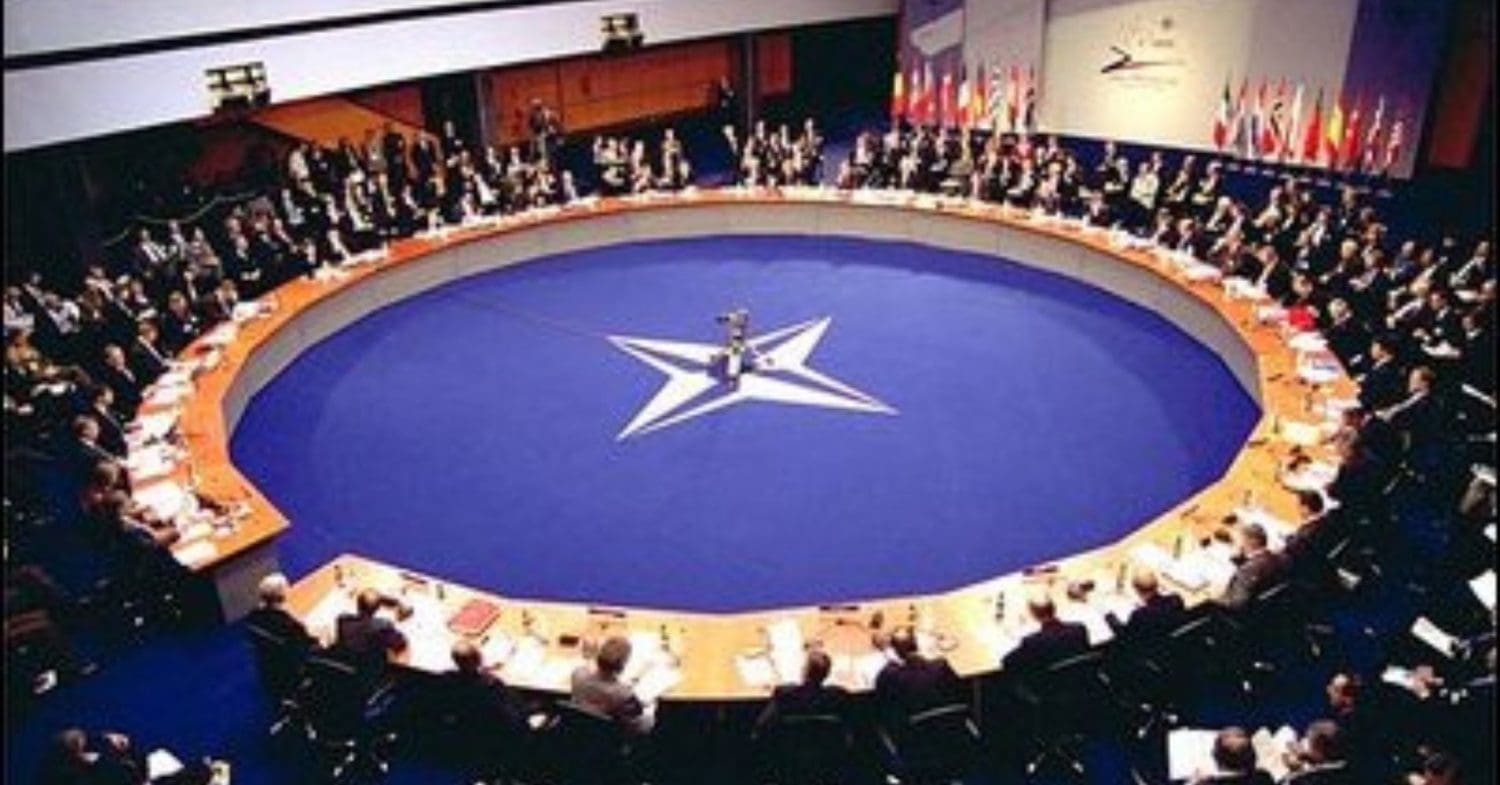
The loss and damage ‘Transitional Committee’ – established at COP27 – is composed of representatives from 14 ‘developing’ nations and 10 ‘developed’ nations. The 24 members were nominated from nations party to the Paris Climate Agreement. The group will make recommendations for the loss and damage fund to delegates at the upcoming COP28 climate summit at the end of November.
However, Global North nations sketched out a vision for the fund that would look drastically different from what Global South countries have been calling for. It’s a vision which maintains existing aid mechanisms through institutions that continue to fail communities in the Global South.
Historic responsibility
Of course, wealthy Global North and industrialised nations are more responsible than the rest of the world for the climate crisis. It’s this historic culpability that Global South nations are now raising to demand that Global North governments pay up. Specifically, the new fund calls for rich nations to compensate Global South countries for the damage caused by extreme weather.
However, at the latest committee meeting there was a clear divide. Global South countries such as the G77 and China bloc want the United Nations Framework Convention on Climate Change (UNFCC) to establish an entirely new funding facility. They have demanded that international governments set up the fund separate from existing aid mechanisms. In particular, they want the new fund to be outside the governance of multilateral development institutions like the World Bank.
Meanwhile, Global North countries have doubled-down on positioning loss and damage finance inside these structures. Delegates for the US, France and Denmark voiced that they envisage a “mosaic of funding arrangements”. In other words, they do not support Global South countries’ aim to set up a new fund.
Instead, the Global North nation representatives communicated how they intend to meet loss and damage financing through existing channels. This would include the World Bank and other multilateral development banks (MDBs), humanitarian aid agencies, and insurance schemes.
Climate-fuelled disasters
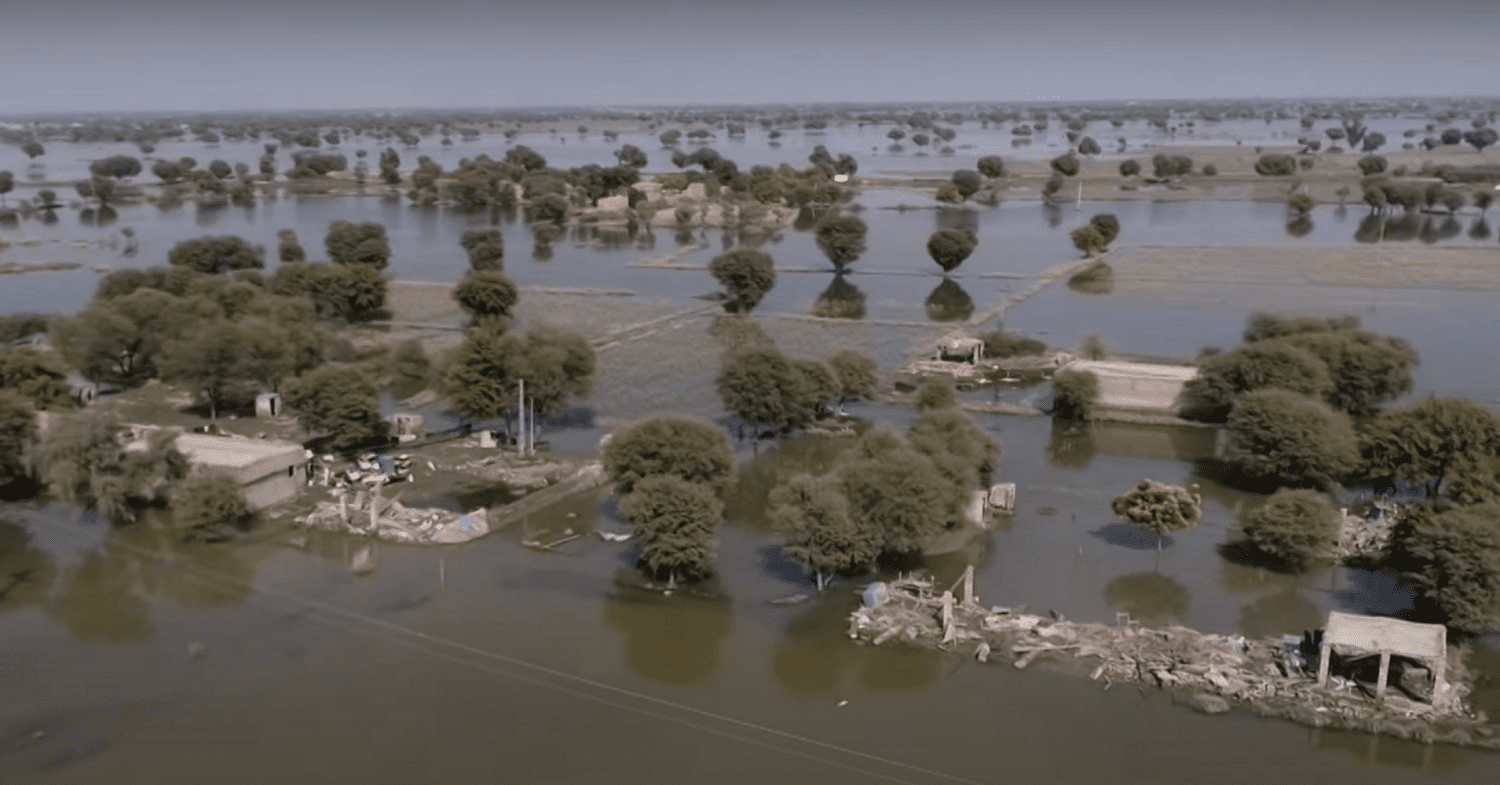
The World Meteorological Organisation (WMO) report found that nearly 12,000 extreme weather events had killed over two million people between 1970 and 2021. Significantly, over 90% of the deaths have occurred in ‘developing’ countries. These climate-fuelled disasters exacted US$4tn of economic damage globally across the 51 year period. Moreover, ‘developing’ nations suffered 60% of these economic losses from “climate shocks and extreme weather” incidents.
Increasingly, the WMO research shows that Global South nations have been hammered by extreme weather events. Naturally, the intensifying climate crisis has worsened these disasters. Since governments agreed to the new loss and damage fund in November 2022, multiple tropical cyclones, droughts, and floods have hit Global South nations.
Already, 2023 has set new and terrible records for extreme weather events. For 37 days across March and February, tropical cyclone Freddy decimated countries across east and southern Africa. Freddy was the longest lived tropical cyclone to ever be recorded.
And it was no less record-breaking for its deadly and destructive impact. Malawi, Mozambique, and Madagascar were among the nations that experienced the cyclone’s devastating cost. The five-week long cyclone killed over 500 people when it made landfall in the region. This made it the third deadliest storm to ever hit the Southern hemisphere.
The brunt of climate-fuelled disasters continue to disproportionately harm the Global South. Despite this, the latest loss and damage meeting showed that Global North nations aren’t prepared to listen to the demands of the countries who have been hardest hit.
Listen to Global South demands
In fact, it was the deadly cyclone Freddy that prompted Malawian President Lazarus Chakwera to call for the urgent implementation of the loss and damage fund.
At COP27, the G7 launched the Global Shield against Climate Risks scheme. Global North countries have pushed the new insurance-based initiative as an alternative to a new loss and damage fund.
However, funding from this scheme has yet to reach Malawi. Global Shield hopes to deliver the first round of financial support by the end of 2023. Yet this unconscionable delay underscores the urgency of a readily accessible, new grants-based loss and damage fund. It’s time that Global North nations listened to Global South nations long on the frontlines of the climate crisis.
Feature image via NASA Earth Observatory/Wikimedia Commons, cropped and resized to 1910x1000, public domain
Leave a Reply