Plaid Cymru, SNP mark 10 years of Brexit with pro-EU messages

Welsh sovereigntist party Plaid Cymru has marked 10 years since Britain voted to leave the European Union with an urge to strengthen ties between the British island and the European continent.
Now the nation’s governing party for the first time in its Senedd history, Plaid Cymru staked its pro-EU leanings on the significant anniversary of the fateful 23 June 2016 Brexit vote. Plaid Cymru’s official account posted on X:
10 years since Brexit – but what was it all for?
The video features a number of Plaid Cymru politicians speaking about the broken promises of Brexit:
10 years on Brexit hasn’t delivered the benefits that the likes of Nigel Farage and Boris Johnson promised us. … prosperity, control, sovereignty — whatever that means …
It’s perhaps an odd call for a pro-independence, sovereigntist party to use a promotional script which makes something like a joke about the idea of sovereignty. By all means, criticise Farage’s vision of an increasingly US-dominated imperial vassal state. But not the notion of sovereignty itself, surely? Plaid Cymru should be staking its vision seriously of what sovereignty actually looks like: self-determination for the Welsh people.
Regardless, the video continues to underscore the £4bn cost to Wales’ economy since Brexit. In Cymraeg (Welsh), they highlight the detriment to small businesses, communities, trade and cultural exchange. Ultimately, they call on the UK government to rejoin the customs union and single market.
10 years since Brexit – but what was it all for?
Higher living costs, more barriers to trade, and fewer opportunities for young people.
Plaid Cymru has long called for closer ties with our European neighbours to boost the Welsh economy and for the benefit of our communities. pic.twitter.com/9cCpklbh48
— Plaid Cymru 🏴 (@Plaid_Cymru) June 23, 2026
SNP and Plaid Cymru align
Plaid’s counterparts in the Scottish National Party have also marked the Brexit anniversary with a reckoning on its legacy. SNP leader and Scottish First Minister John Swinney posted on X about the party’s long-standing commitment to Europe and the democratic deficit felt in Scotland’s Brexit result.
In Scotland, 62% of people voted to remain in the EU — well above the national average of 48%. Nonetheless, Scotland was pulled out of the EU by a largely English vote share. The issue is frequently brought up by Scottish voters and politicians alike whenever the Canary visits north of the border.
John Swinney’s post calls explicitly for rejoining the EU as an “independent member state” — free of the so-called ‘United Kingdom’ — whereas Plaid Cymru’s only calls for “closer ties.” The customs union and single market are parts of the EU infrastructure but not exactly the same as the EU.
This difference in messaging is perhaps a reflection of how Wales voted in the Brexit referendum compared with Scotland. Wales was slightly above the UK average in terms of voting to leave the EU — 52.5% compared with 51.9% UK-wide. They clearly believe it’s time for “honesty” about Brexit a decade later.
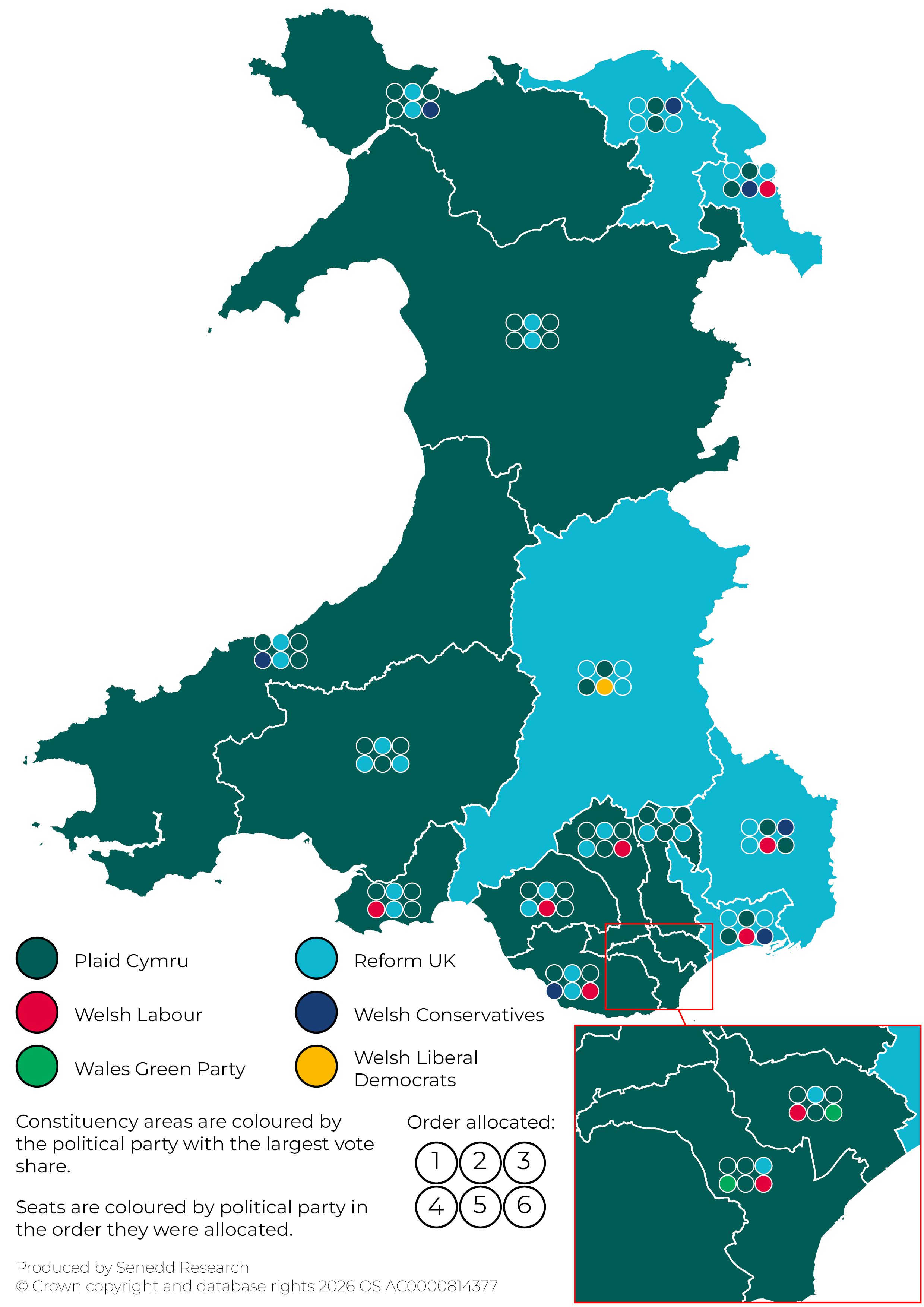
Noticeably, the Welsh pro-EU vote in 2016 (see below) maps roughly onto where Plaid Cymru performed strongest in May’s Senedd elections. Western, rural Wales seems to be more pro-EU and more pro-Plaid overall.
This may owe some support to, for example, EU cultural initiatives on sub-nations and regions, or more materially to the Common Agricultural Policy which subsidised Welsh rural farmers.
Ten years ago, Scotland overwhelmingly voted to remain in the EU but was taken out against our will.
Our best future lies in becoming an independent member state of the EU, working with our neighbours to build a stronger, more prosperous country. 🏴🇪🇺 pic.twitter.com/sT1pwzP2ST
— John Swinney (@JohnSwinney) June 23, 2026
Featured image via the Canary

Leave a Reply