2026 World Cup could fuel repression, Amnesty International warns

Amnesty International is sounding the alarm over the 2026 World Cup, warning that the highly anticipated event could become a “platform for repression” and a magnet for protests unless host nations enforce human rights safeguards.
2026 World Cup: A magnet for protests
In its scathing new report “Humanity Must Prevail: Defending Rights, Tackling Repression, at the 2026 FIFA World Cup,” Amnesty paints a grim picture of the risks facing fans, players, journalists, and workers in the US, Mexico, and Canada — the joint co-hosts of the tournament.
Their report brings to light authoritarian practices in the US amidst a “human rights emergency,” and the deepening housing crisis in Canada, with vulnerable communities at risk of displacement, and planned protests by campaigners in Mexico.
The human rights monitoring body had the following to say about this year’s tournament:
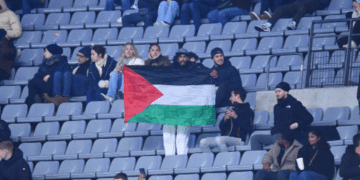
Given their scale and impact, World Cups are often the focus of critical reporting and public protest. Yet despite its own human rights policies, FIFA restricts the right to freedom of expression of both fans and players, including through its “Stadium Code of Conduct” for fans that prohibits “political” messages and symbols, as well as its Disciplinary Code for players and officials.
FIFA’s promises of unity ring hollow
Despite FIFA’s vague promises to ensure the tournament doesn’t fuel human rights abuses, the report exposes the stark contradictions in those assurances.
Amnesty reports that:
FIFA’s claim that ‘Football Unites the World’ stands in stark contrast to the divisive and repressive practices of the governments hosting its flagship tournament.
They further warn that the 2026 World Cup is:
Taking place amidst an acute human rights crisis, with significant risks and impacts for fans, players, journalists, workers, and local communities alike.
In its recommendations, Amnesty added that hosting countries must:
Guarantee the rights to freedom of expression and peaceful assembly inside and outside World Cup venues in all host countries, avoiding the use of military forces for civilian policing and protecting media and human rights defenders.
In the US — where 78 out of 104 matches will be held — accusations of unjust immigration enforcement and discriminatory travel restrictions are mounting. Adding to the tension is a growing climate of fear and discrimination.
In Mexico, rising violence threatens basic freedoms of assembly and protest, especially among the LGBTQI+ community, while in Canada, the housing crisis has reached catastrophic levels, leaving vulnerable populations facing displacement as the tournament nears.
This stark reality check comes just months before the start of the largest World Cup in history, kicking off on 11 June 2026. Amidst growing calls to turn the event into a celebration of rights and freedoms — not a vehicle for oppression — FIFA’s promises ring increasingly hollow.
Featured image via Amnesty International


Leave a Reply