• Donate
  • Login
Saturday, June 6, 2026
  • Login
  • Register
Canary
Cart / £0.00

No products in the basket.

MEDIA THAT DISRUPTS
  • UK
  • Global
  • Opinion
  • Skwawkbox
  • Manage Subscription
  • Support
  • Features
    • Health
    • Environment
    • Science
    • Feature
    • Sport & Gaming
    • Lifestyle
    • Tech
    • Business
    • Money
    • Travel
    • Property
    • Food
    • Media
  • SHOP
No Result
View All Result
MANAGE SUBSCRIPTION
SUPPORT
  • UK
  • Global
  • Opinion
  • Skwawkbox
  • Manage Subscription
  • Support
  • Features
    • Health
    • Environment
    • Science
    • Feature
    • Sport & Gaming
    • Lifestyle
    • Tech
    • Business
    • Money
    • Travel
    • Property
    • Food
    • Media
  • SHOP
No Result
View All Result
Canary
No Result
View All Result
  • Editorial
  • Explainer
  • Global
  • Opinion
  • Environment
  • Feature
  • Food
  • Health
  • Science
  • Skwawkbox
  • UK

Nature-friendly farming delivers for wildlife, climate and profits, charity says

The Canary by The Canary
9 June 2020
in Environment, Other News & Features, UK
Reading Time: 5 mins read
170 3
A A
0
Home Other News & Features Environment
Share on FacebookShare on TwitterShare on BlueskyShare via WhatsAppShare via TelegramShare on Threads

Nature-friendly farming can deliver for wildlife, carbon storage and profits, the National Trust has said after an audit of a farm run by the conservation charity.

Wimpole Home Farm is a 1,419-acre mixed arable and livestock farm near Cambridge, which has been run using organic, wildlife friendly and sustainable farming methods for the past 12 years, the Trust said.

A full “health check” of Wimpole’s wildlife and how it is storing carbon has revealed benefits for the environment, as well as public access through a network of footpaths and financial returns from growing food, the charity said.

The findings are published as the Agriculture bill setting out the UK’s post-Brexit farming policy, with a focus on paying farmers to deliver “public goods” such as boosting wildlife and preventing flooding, is set to be debated in the Lords.
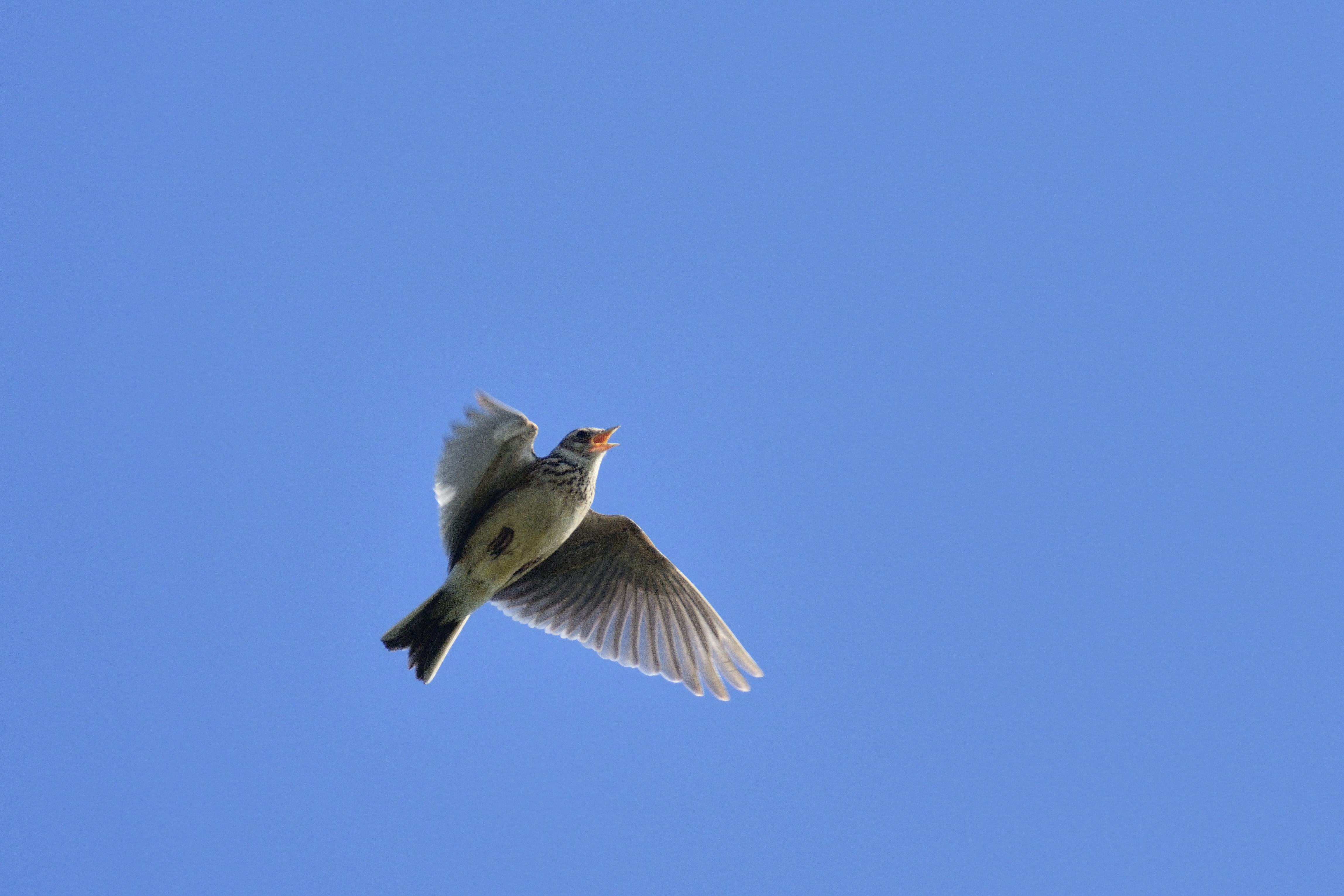
Skylarks have been in decline in the UK, but numbers have risen at Wimpole in recent years (Nick Upton/National Trust/PA)

But conservationists warn progress at home towards more environmentally-friendly farming must not be undermined by trade deals that allow imports of food that does not meet UK environmental and welfare standards.

Wimpole Home Farm is managed using organic farming and other measures to boost wildlife and store carbon including planting hedgerows, creating flower-rich field margins, planting cover crops and reducing cultivation.

The National Trust has also planted 1,000 parkland trees and brought in rare breed livestock to graze flower-rich meadows, and the land has 25 miles of footpaths providing public access to the countryside.

Surveys of Wimpole have revealed that numbers of rare skylarks, in decline in the wider countryside, have nearly doubled since 2013, from 12 to 21 pairs, while the number of linnets has increased from three to seven pairs.

Wimpole is also an important site for corn buntings in Cambridgeshire, with between five and eight pairs breeding each year, and the farm provides winter feeding habitat for other threatened birds, including grey partridges, lapwings and hen harriers.
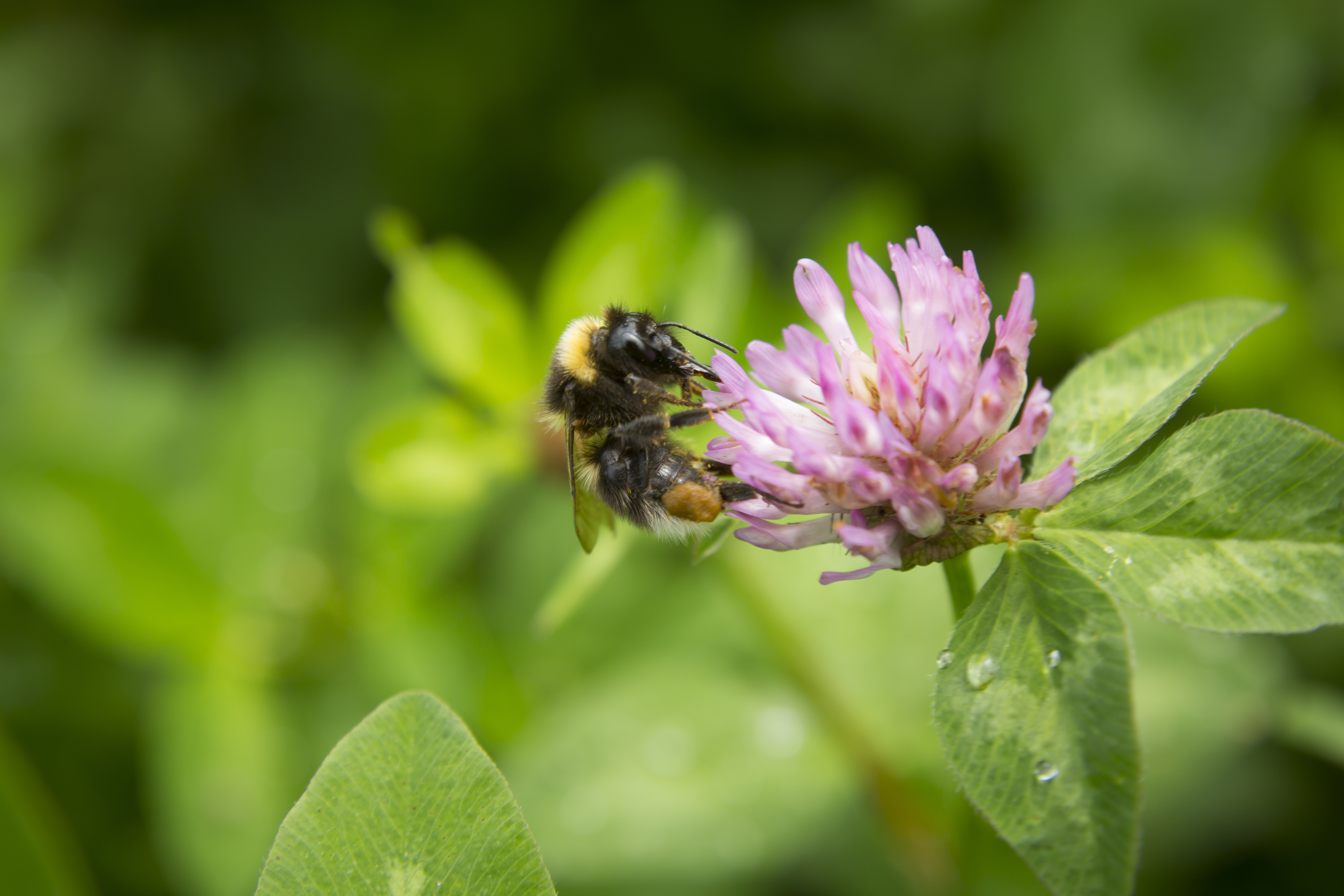
Bumblebee on red clover
The number of invertebrate species has been boosted by nature friendly farming (John Miller/National Trust/PA)

A total of 1,145 invertebrates such as bees, ants and butterflies were found in a survey  – a 38% boost in the number of species since 2003 – which are vital for pollinating crops and preying on pests – the Trust said.

They included 95 rare species such as the large garden bumblebee and the cinnabar moth.

The team at Wimpole also conducted a carbon audit of the farm, which found measures to manage the soil, alongside tree planting and managing woods and hedges, helped the landscape soak up 2,260 tonnes of carbon dioxide a year.

While the Trust acknowledges the livestock emit greenhouse gas emissions, Callum Weir, farm manager at Wimpole, said animals were the “perfect tool” to manage Grade I listed parkland and traditional hay meadows.

If that land were ploughed up for arable farming, it would release large amounts of carbon, he said, adding: “If meat is produced in the right way and consumed in the right amounts, it can be sustainable.”
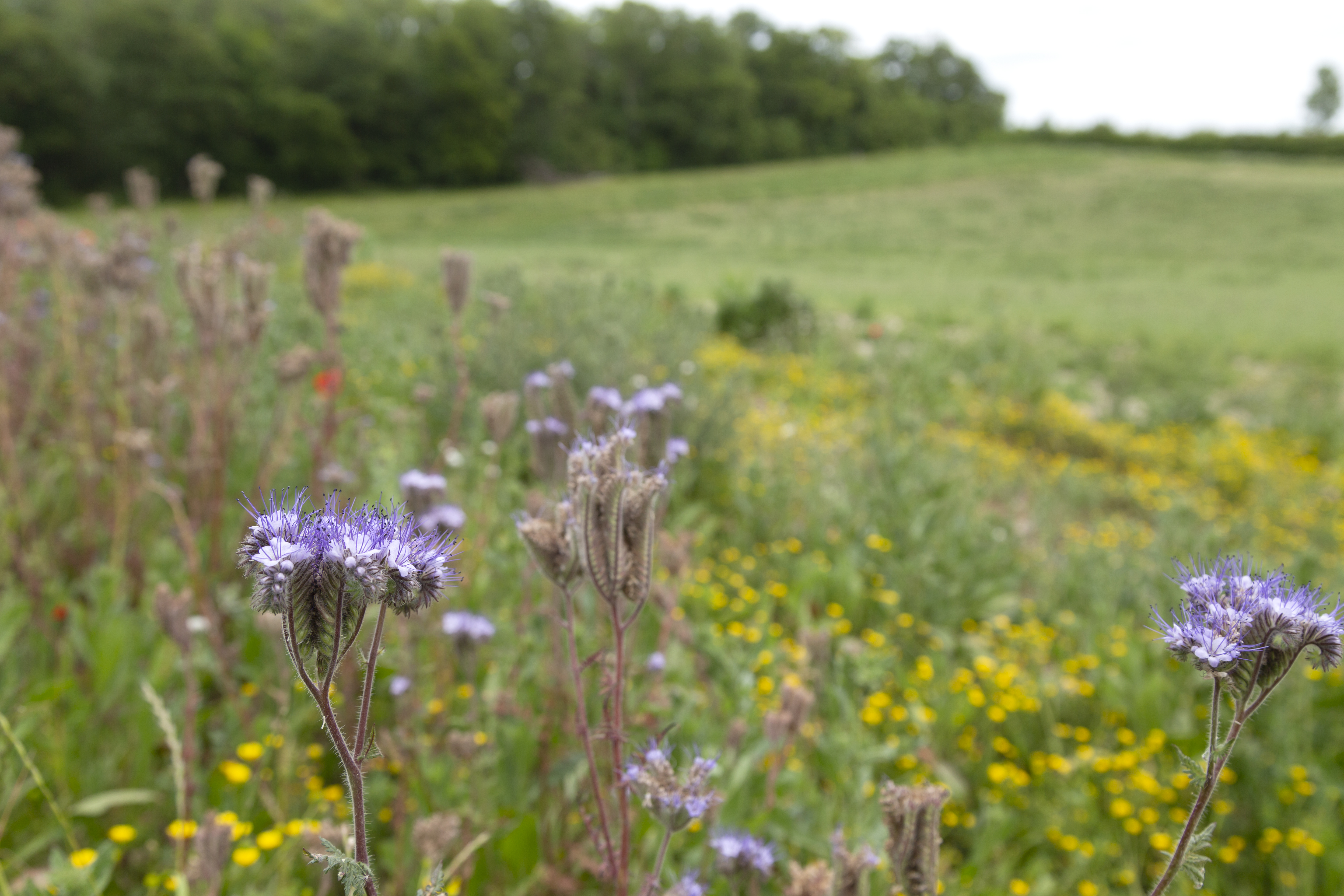
Field margins planted with phacelia which attracts pollinating insects (Phil Morley)

The Trust said production levels on the arable farm were “impressive” for an organic system, and the farm saw income of £294,617, with £117,588 profit, in 2019 including its subsidy payments.

Weir said: “We want to farm sustainably at the same time as being a truly viable business and it’s fantastic to see how nature friendly farming and a profitable farm business can go hand in hand.”

Much of the boost to wildlife was down to the combination of organic farming and the field margins, hedges and habitat around each field, Weir said, though he added that organic farming was not the only way to farm with nature.

Wimpole is the only lowland farm run in-hand by the conservation charity, and is being managed in line with its focus on farming models which are good for nature, deliver public benefits and make a profit.

Tags: farming
Share129Tweet81ShareSendShareShare
Previous Post

Black Britain’s vulnerability to coronavirus has been a decade in the making

Next Post

#Solidaritea: PG Tips and Yorkshire Tea show support for Black Lives Matter

Next Post
Yorkshire Tea

#Solidaritea: PG Tips and Yorkshire Tea show support for Black Lives Matter

Minister forced to backtrack on care homes policy claims

Minister forced to backtrack on care homes policy claims

Government’s plans for primary schools to open more widely are in disarray

Boris Johnson and Donald Trump

Leaked memo raises alarming questions about the UK's 'special' relationship with the US

Munya Chawawa

Comedian’s viral parodies poke fun at ‘subtle racism’ in British media

Leave a Reply Cancel reply

Your email address will not be published. Required fields are marked *

Palestine
Global

Palestine — Ministry of Health in financial crisis because of ‘Israel’

by Charlie Jaay
6 June 2026
Oxford Union
Skwawkbox

OU debate proceeds tonight with banned anti-genocide speakers attending virtually

by Skwawkbox
6 June 2026
DUP
Analysis

Series of hate displays in north of Ireland tacitly condoned by DUP

by Robert Freeman
6 June 2026
World Cup
Global

World Cup history — Streaks and attacking records

by Alaa Shamali
6 June 2026
Advance
Skwawkbox

Far-right ‘Advance’ implodes in war between leader and COO

by Skwawkbox
6 June 2026

The Canary
PO Box 71199
LONDON
SE20 9EX

Canary Media Ltd – registered in England. Company registration number 09788095.

For guest posting, contact [email protected]

For other enquiries, contact: [email protected]

Complaints and Corrections

About the Canary

Meet the Team

© Canary Media Ltd 2026, all rights reserved | Website by Monster | Hosted by Krystal | Privacy Settings

Ok

Create New Account!

Fill the forms below to register

All fields are required. Log In

Retrieve your password

Please enter your username or email address to reset your password.

Log In
  • UK
  • Global
  • Opinion
  • Skwawkbox
  • Manage Subscription
  • Support
  • Features
    • Health
    • Environment
    • Science
    • Feature
    • Sport & Gaming
    • Lifestyle
    • Tech
    • Business
    • Money
    • Travel
    • Property
    • Food
    • Media
  • SHOP
  • Login
  • Sign Up
  • Cart