• Donate
  • Login
Monday, June 15, 2026
  • Login
  • Register
Canary
Cart / £0.00

No products in the basket.

MEDIA THAT DISRUPTS
  • UK
  • Global
  • Opinion
  • Skwawkbox
  • Manage Subscription
  • Support
  • Features
    • Health
    • Environment
    • Science
    • Feature
    • Sport & Gaming
    • Lifestyle
    • Tech
    • Business
    • Money
    • Travel
    • Property
    • Food
    • Media
  • SHOP
No Result
View All Result
MANAGE SUBSCRIPTION
SUPPORT
  • UK
  • Global
  • Opinion
  • Skwawkbox
  • Manage Subscription
  • Support
  • Features
    • Health
    • Environment
    • Science
    • Feature
    • Sport & Gaming
    • Lifestyle
    • Tech
    • Business
    • Money
    • Travel
    • Property
    • Food
    • Media
  • SHOP
No Result
View All Result
Canary
No Result
View All Result
  • Editorial
  • Explainer
  • Global
  • Opinion
  • Environment
  • Feature
  • Food
  • Health
  • Science
  • Skwawkbox
  • UK

Minister admits UK abandoned Covid-19 contact tracing due to lack of testing capacity

The Canary by The Canary
6 May 2020
in Health, Other News & Features, UK
Reading Time: 5 mins read
164 9
A A
0
Home Other News & Features Health
Share on FacebookShare on TwitterShare on BlueskyShare via WhatsAppShare via TelegramShare on Threads

A higher capacity for testing at the start of the Covid-19 outbreak could have meant continuing widespread checks in the community, a minister has conceded.

Security minister James Brokenshire said “capacity constraints” earlier in the coronavirus crisis meant contact tracing among the public was abandoned in March.

England’s chief scientific adviser Patrick Vallance told MPs on the Health and Social Care Committee on Tuesday that it would have been “beneficial” if testing capacity had been ramped up more quickly.
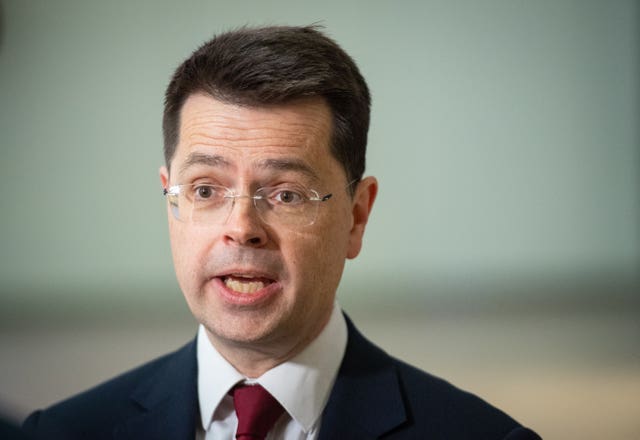
Security Minister James Brokenshire (Dominic Lipinski/PA Wire)
James Brokenshire said extra testing capacity earlier in the crisis would have been beneficial (Dominic Lipinski/PA)

At the same committee, England’s deputy chief medical officer Dr Jenny Harries admitted that had there been unlimited capacity, a “slightly different approach” could have been taken.

When asked why widespread community testing was halted, Brokenshire told BBC’s Today programme on Wednesday: “We’ve always been informed by the expert advice around this.

“There was a shift in terms of how testing was done – we’ve already heard on some of the issues of overall capacity at that point in time and some of the evidence that Patrick Vallance, our chief scientific officer, has given.”

Asked whether, had there been the capacity, track-and-tracing should have continued, the Home Office minister said: “Would there have been benefit in having that extra capacity, as Patrick Vallance highlighted yesterday? Yes.
HEALTH Coronavirus
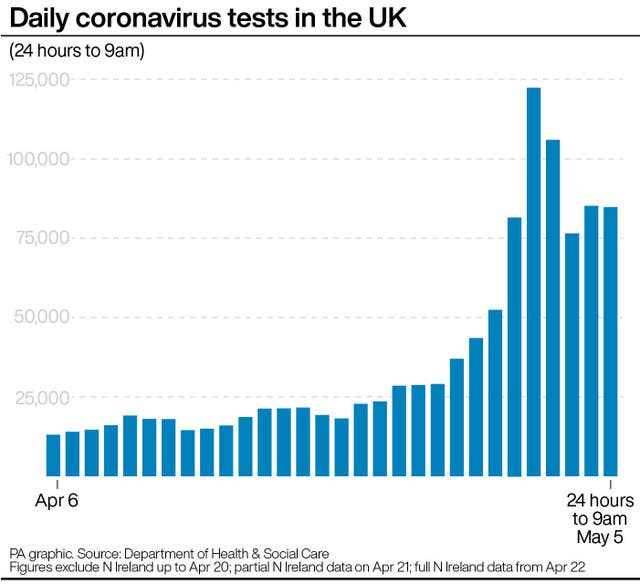
(PA Graphics, based on Department of Health & Social Care figures)

“The challenge that we had is that we have some fantastic laboratories, some fantastic expertise, but it has been the capacity constraints that we have had, and therefore how that posed challenges.”

He added that testing has now been “ramped up” – going from 2,000 per day in February to “120,000 at the end of April”.

Asked about the falling numbers of tests undertaken since then, with the government failing to hit its 100,000 daily target for the third day in a row on Monday, Brokenshire said capacity is there but demand will vary.

He told BBC Breakfast: “I think on that the point is that the capacity is there to meet need, that is the important thing. And whether you look at an individual day, we have scaled that up and so that testing is there if it is needed.”

Ministers abandoned widespread testing and contact tracing on 12 March as the virus spread beyond control in the community.

On Tuesday, Vallance told MPs a greater ability to carry out testing would have improved the UK’s response to the pandemic.

He told the committee: “I think that probably we, in the early phases, and I’ve said this before, I think if we’d managed to ramp up testing capacity quicker it would have been beneficial.”
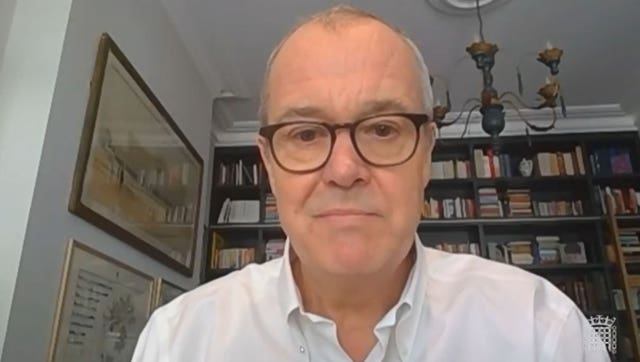
Sir Patrick Vallance giving evidence to the Health and Social Care Select Committee on Tuesday (PA Wire/PA Images)
Sir Patrick Vallance giving evidence to the Health and Social Care Select Committee on Tuesday (PA)

Meanwhile, Dr Harries said limited resources meant a balance had to be struck at the time.

But she added that “if we had unlimited capacity, and the ongoing support beyond that, then we perhaps would choose a slightly different approach”.

On this point, Brokenshire told BBC Breakfast on Wednesday that while the UK has “world-leading laboratories, overall capacity and scale is something that we did not have”.

He added: “Clearly there will be plenty of time for searching questions once we are through this, and how we ensure that we are as best prepared as we can be, learning and applying lessons from this experience.

“But at the same time we must be rigorously focused on the here and now, looking at these next steps and ensuring that we do that carefully, appropriately, to get through this virus.”

Tags: Coronavirus
Share128Tweet80ShareSendShareShare
Previous Post

Trump administration ‘ignored virus warnings and pushed unproven drug’

Next Post

No evidence Covid-19 has mutated into different types, researchers conclude

Next Post
Coronavirus and blood cells image

No evidence Covid-19 has mutated into different types, researchers conclude

Cafes may reopen if they can provide outdoor facilities, says Hancock

Amazon logo & US dollars

Explosive resignation at Amazon highlights the very worst of modern-day capitalism

An image representing the mainstream media

As UK coronavirus death rates hit Europe's highest the corporate press insulted us all

Banner for PAAA national rally

Get ready for the biggest mass challenge to the Tory 'mishandling of the coronavirus crisis'

Leave a Reply Cancel reply

Your email address will not be published. Required fields are marked *

Nathaniel Brown #18 of Germany celebrates scoring his team's fifth goal during the FIFA World Cup 2026 Group E match between Germany and Curacao at Houston Stadium on June 14, 2026 in Houston, Texas.
Analysis

Germany dethrones Brazil in a historic World Cup win

by Alaa Shamali
15 June 2026
Piers Morgan and Andrew Neil looking at images of Elon Musk becoming a trillionaire
Trending

Client journalists defend Musk becoming a trillionaire

by Willem Moore
15 June 2026
A press image for BBC show, I Kissed a Girl, in 2024, which shows Demi, 23, and Fiorenza, 22, kissing
Analysis

Canary Catch Up: A week of TV announcements – including on the BBC’s Doctor Who

by Rachel Charlton-Dailey
15 June 2026
rihanna kelver
Analysis

Rihanna Kelver facing felony charges shows ‘stand your ground’ is not for trans people

by Olaitan Mos-Shogbamimu
15 June 2026
People who describe themselves as patriots display US and Israel flags as they set up their counter protest ahead of the protest by CND at RAF Fairford on March 7, 2026 in Fairford, England.
Analysis

Lack of sanctions enable resilience of ‘Israel’ genocide economy

by Robert Freeman
15 June 2026

The Canary
PO Box 71199
LONDON
SE20 9EX

Canary Media Ltd – registered in England. Company registration number 09788095.

For guest posting, contact [email protected]

For other enquiries, contact: [email protected]

Complaints and Corrections

About the Canary

Meet the Team

© Canary Media Ltd 2026, all rights reserved | Website by Monster | Hosted by Krystal | Privacy Settings

Ok

Create New Account!

Fill the forms below to register

All fields are required. Log In

Retrieve your password

Please enter your username or email address to reset your password.

Log In
  • UK
  • Global
  • Opinion
  • Skwawkbox
  • Manage Subscription
  • Support
  • Features
    • Health
    • Environment
    • Science
    • Feature
    • Sport & Gaming
    • Lifestyle
    • Tech
    • Business
    • Money
    • Travel
    • Property
    • Food
    • Media
  • SHOP
  • Login
  • Sign Up
  • Cart