As the UK heads into a heatwave Siberia is going off the charts

Scientists have expressed concerns about the implications for the rest of the world after a heatwave in Russia’s Siberia region.
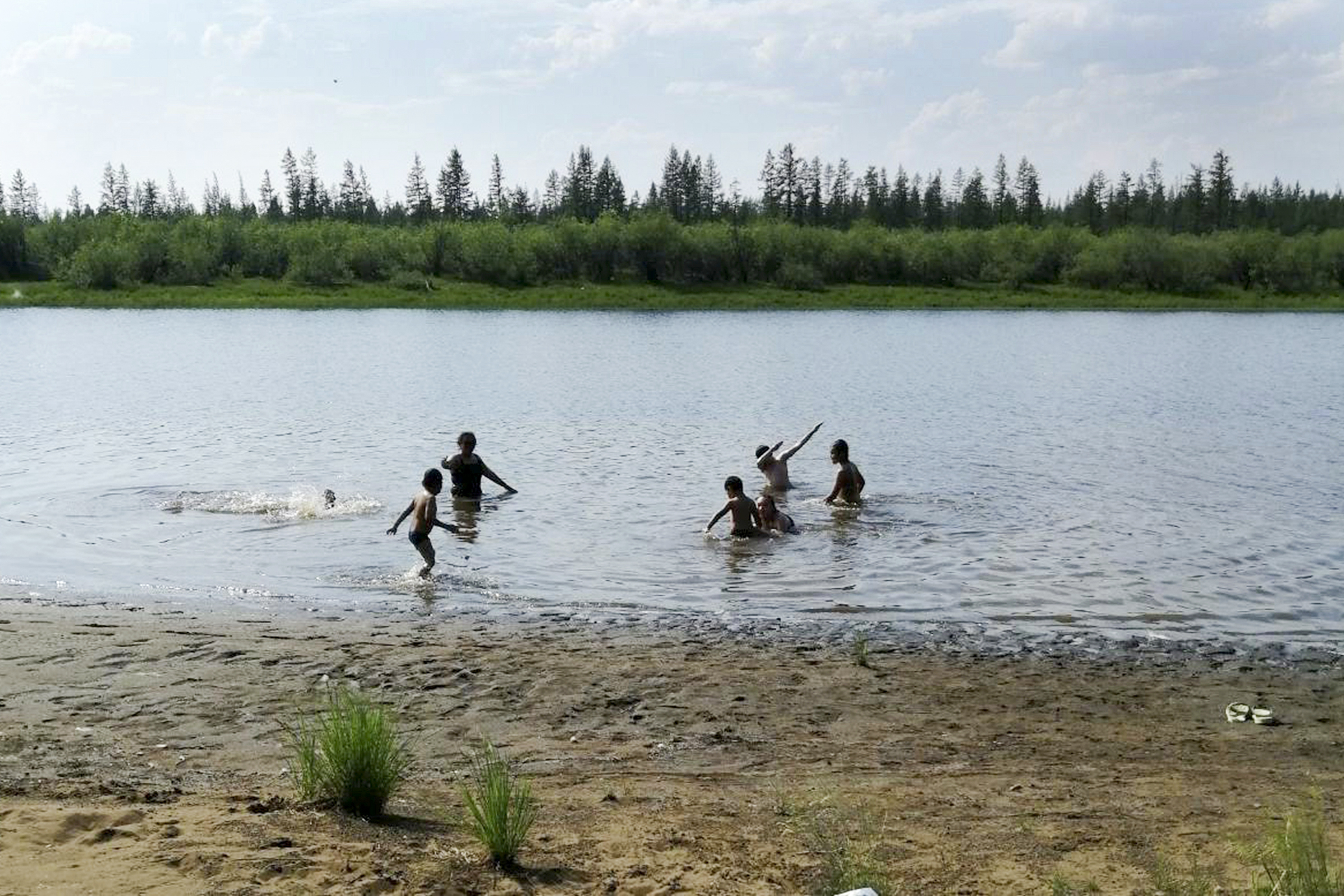
On Saturday, the thermometer hit a likely record of 38C – or 100.4 degrees Fahrenheit – in the Siberian town of Verkhoyansk in Russia’s Sakha Republic.
The World Meteorological Organisation said it is looking to verify the temperature reading, which would be a record for the region north of the Arctic Circle.
The increasing temperatures in Siberia have been linked to wildfires that grow bigger and more severe every year, as well as the thawing of the permafrost.
University of Michigan environmental school dean Jonathan Overpeck, a climate scientist, said: “The Arctic is figuratively and literally on fire – it’s warming much faster than we thought it would in response to rising levels of carbon dioxide and other greenhouse gases in the atmosphere, and this warming is leading to a rapid meltdown and increase in wildfires.
“The record warming in Siberia is a warning sign of major proportions.”
Much of Siberia had high temperatures this year that were beyond unseasonably warm.
From January through to May, the average temperature in north-central Siberia has been about 8C above average, according to the climate science non-profit organisation Berkeley Earth.
Berkeley Earth climate scientist Zeke Hausfather said: “That’s much, much warmer than it’s ever been over that region in that period of time.”
Siberia is in the Guinness Book of World Records for its extreme temperatures. It is a place where the thermometer has swung by 106C (190 degrees Fahrenheit), from a low of minus 68C to 38C.
Such prolonged Siberian warmth has not been seen for thousands of years “and it is another sign that the Arctic amplifies global warming even more than we thought”, Overpeck said.
Russia’s Arctic regions are among the fastest warming areas in the world.
Andrei Kiselyov, the lead scientist at the Moscow-based Voeikov Main Geophysical Observatory, said that the temperature on Earth over the past few decades has been growing, on average, by 0.18C every 10 years.
But in Russia it increases by 0.47C – and in the Russian Arctic, by 0.69C every decade.
“In that respect, we’re ahead of the whole planet,” Kiselyov said.
Thawing permafrost is a huge problem in Siberia because buildings and pipelines are built on it. It also releases more heat-trapping gas and dries out the soil, which increases wildfires, according to Vladimir Romanovsky, who studies permafrost at the University of Alaska Fairbanks.
“In this case it’s even more serious, because the previous winter was unusually warm,” Romanovsky said. The permafrost thaws, ice melts, the soil subsides and then it can trigger a feedback loop that worsens permafrost thawing, and “cold winters can’t stop it”.
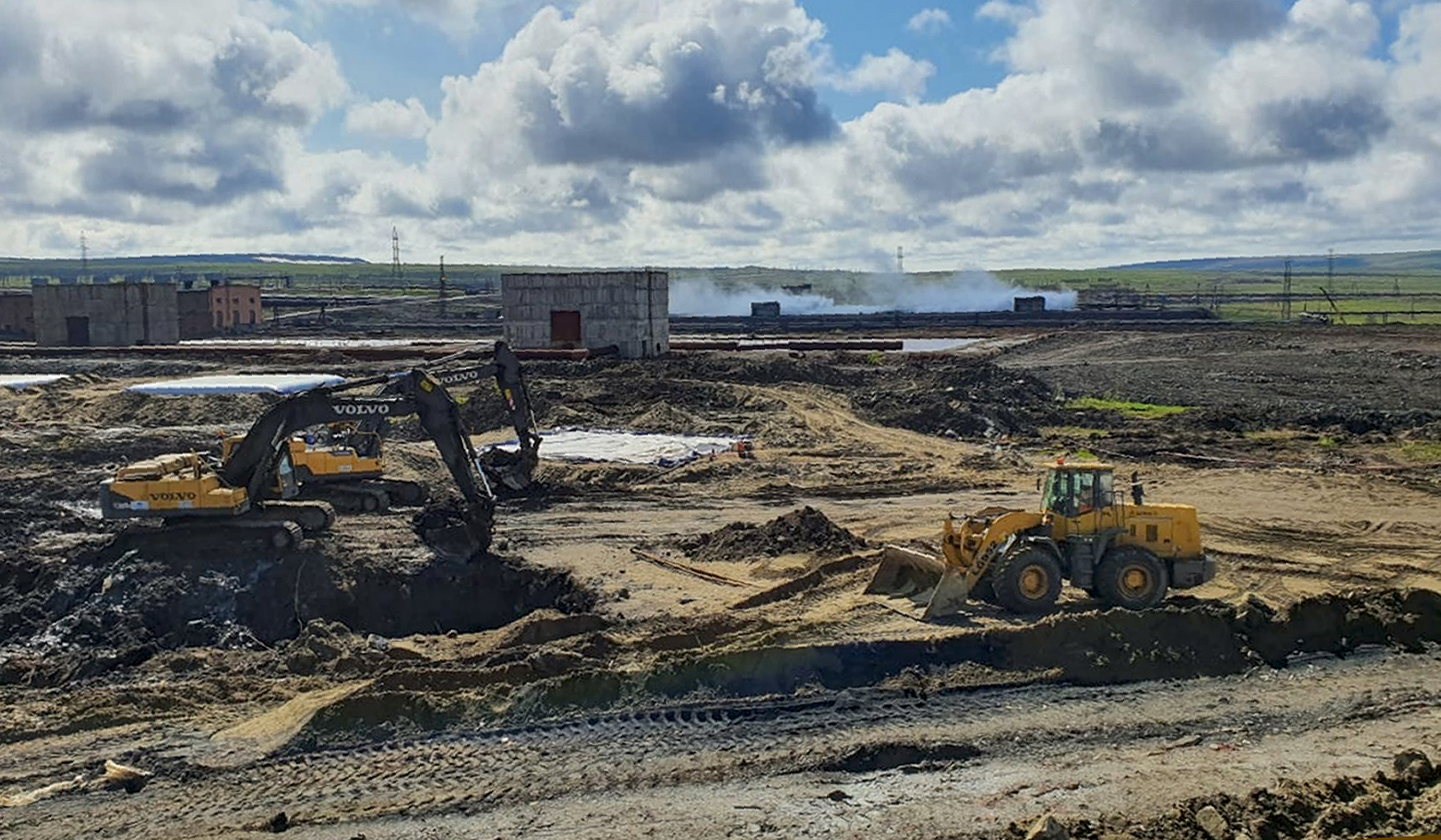
A catastrophic oil spill from a collapsed storage tank last month near the Arctic city of Norilsk was partly blamed on melting permafrost.
In 2011, part of a residential building in Yakutsk, the biggest city in the Sakha Republic, collapsed due to thawing and subsidence of the ground.
Last August, more than four million hectares of forests in Siberia were on fire, according to Greenpeace.
Vladimir Chuprov, director of the project department at Greenpeace Russia, warned that this year the fires have already started raging much earlier than the usual start in July.
Katey Walter Anthony, a University of Alaska Fairbanks expert on methane release from frozen Arctic soil, said persistently warm weather, especially if coupled with wildfires, causes permafrost to thaw faster, which in turn exacerbates global warming by releasing large amounts of methane, a potent greenhouse gas 28 times stronger than carbon dioxide.
Verhojansk north of the Arctic Circle in Siberia recorded +38°C today… https://t.co/qla2lfvxeh
— Greta Thunberg (@GretaThunberg) June 20, 2020
“Methane escaping from permafrost thaw sites enters the atmosphere and circulates around the globe,” she said.
“Methane that originates in the Arctic does not stay in the Arctic. It has global ramifications.”
What happens in the Arctic can even warp the weather in the United States and Europe.
Judah Cohen, a winter weather expert at Atmospheric Environmental Research, said that in the summer, the unusual warming lessens the temperature and pressure difference between the Arctic and lower latitudes where more people live.
That seems to weaken and sometimes even stall the jet stream, meaning weather systems such as those bringing extreme heat or rain can remain over places for days on end.
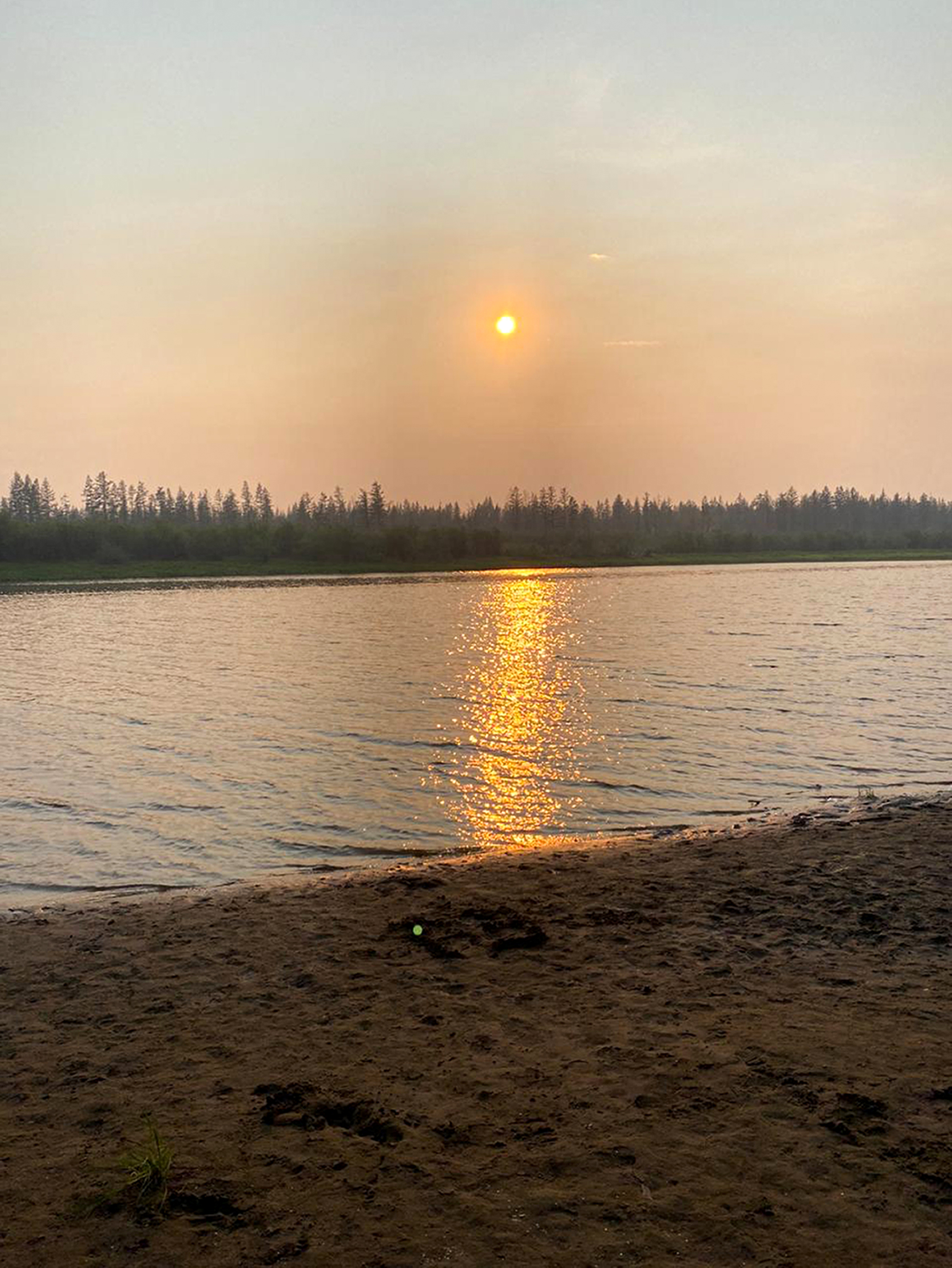
According to Russian meteorologists, a combination of factors – such as a high pressure system with a clear sky and the sun being very high, extremely long daylight hours and short warm nights – have contributed to the Siberian temperature spike.
Marina Makarova, chief meteorologist at Rosgidromet, said: “The ground surface heats up intensively. The nights are very warm, the air doesn’t have time to cool and continues to heat up for several days.”
She added that the temperature in Verkhoyansk remained unusually high from Friday through Monday.
Scientists agree that the spike is indicative of a much bigger global warming trend.
Freja Vamborg, senior scientist at the Copernicus Climate Change Service in the UK, said: “The key point is that the climate is changing and global temperatures are warming.
“We will be breaking more and more records as we go.”

Leave a Reply