• Donate
  • Login
Saturday, June 6, 2026
  • Login
  • Register
Canary
Cart / £0.00

No products in the basket.

MEDIA THAT DISRUPTS
  • UK
  • Global
  • Opinion
  • Skwawkbox
  • Manage Subscription
  • Support
  • Features
    • Health
    • Environment
    • Science
    • Feature
    • Sport & Gaming
    • Lifestyle
    • Tech
    • Business
    • Money
    • Travel
    • Property
    • Food
    • Media
  • SHOP
No Result
View All Result
MANAGE SUBSCRIPTION
SUPPORT
  • UK
  • Global
  • Opinion
  • Skwawkbox
  • Manage Subscription
  • Support
  • Features
    • Health
    • Environment
    • Science
    • Feature
    • Sport & Gaming
    • Lifestyle
    • Tech
    • Business
    • Money
    • Travel
    • Property
    • Food
    • Media
  • SHOP
No Result
View All Result
Canary
No Result
View All Result
  • Editorial
  • Explainer
  • Global
  • Opinion
  • Environment
  • Feature
  • Food
  • Health
  • Science
  • Skwawkbox
  • UK

More research needed into risks of microplastics in drinking water, says WHO

The Canary by The Canary
22 August 2019
in Environment, Global, Other News & Features, UK
Reading Time: 5 mins read
165 7
A A
0
Home Other News & Features Environment
Share on FacebookShare on TwitterShare on BlueskyShare via WhatsAppShare via TelegramShare on Threads

The World Health Organisation (WHO) is calling for further research into the health risks posed by microplastics in drinking water.

It is also calling for an urgent reduction in plastic pollution to reduce the global population’s exposure to potentially harmful substances.

Microplastics are now ubiquitous in the natural world and, as well as being present in oceans and fresh waterways, they are now commonly found in drinking water from the tap as well as in bottled water.
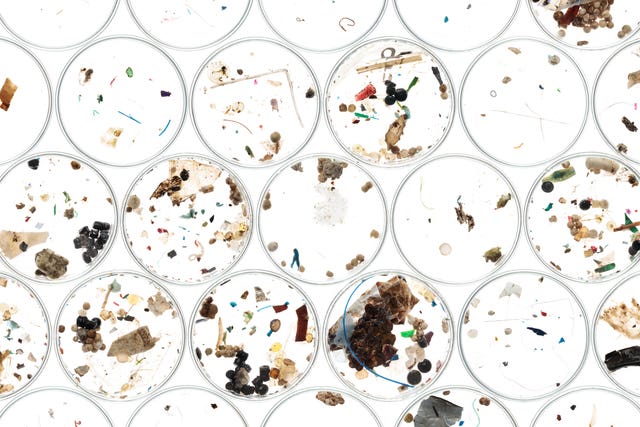
Microplastics found in all UK rivers
Samples of plastics found during a survey of 13 UK rivers (Greenpeace/PA)

In a newly-published report, WHO scientists say the limitations of current data mean it is difficult to gauge the potential impact on human health if concentrations of microplastic in drinking water continue to rise.

The authors cite the problem of classifying microplastics as they come from a multitude of different materials and in various sizes.

They can also be combined with numerous different chemicals – for example, flame retardants – depending on their original purpose.

Plastic fragments and fibres from synthetic fabrics were the most commonly found microplastics found in drinking water, the report found.

Hosepipe ban
Up to 90% of microplastics can be removed during existing water treatment (Niall Carson/PA)

The researchers believe the threat posed by microplastics is potentially three-fold – the physical risk of the particles themselves, the chemicals leached from degraded plastics, and “biofilms”.

Biofilms are microplastics that have been colonised by microorganisms, possibly leading to infection.

Based on existing data, the risk to health posed by microplastics is judged to be low because particles larger than 150 micrometres are unlikely to be absorbed into the human body through the gut.

Scientists expect the uptake of smaller particles to be low, but said the data relating to the absorption and distribution of nano-sized particles of plastic is extremely limited.

Despite growing public concern over microplastics in the food chain, the report found existing treatments are very effective at removing them from drinking water.

Up to 90% of microplastics can be removed via commonly-used water treatments to prevent faecal contamination, with filtration found to be the most effective method.

Dr Maria Neira, head of the department of public health, environment and social determinants at WHO, emphasised that swathes of the global population does not have access to effective water treatment infrastructure.

According to WHO data, around 67% of people in low and middle-income countries lack access to sewage connections, while about 20% of household sewage does not undergo at least secondary treatment.

Dr Neira said: “We urgently need to know more about the health impact of microplastics because they are everywhere – including in our drinking-water.

“Based on the limited information we have, microplastics in drinking water don’t appear to pose a health risk at current levels.

“But we need to find out more. We also need to stop the rise in plastic pollution worldwide.”
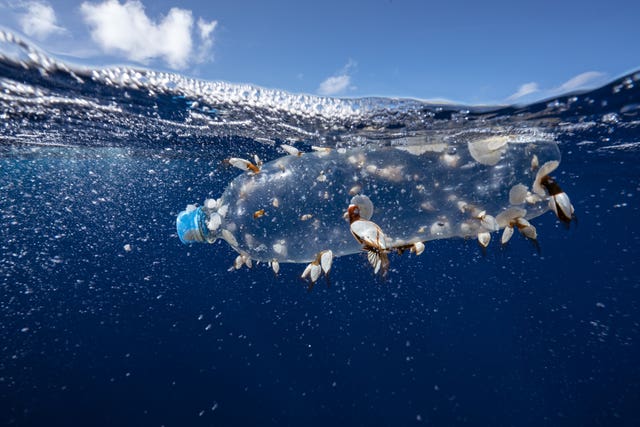
Call to protect oceans
Plastic pollution is one of the major problems facing the world’s oceans (Justin Hofman/Greenpeace/PA)

The report found that, according to current data, by tackling the problem of sewage-contaminated water, communities can simultaneously address the problem of microplastics.

Louise Edge, head of Greenpeace UK’s ocean plastics campaign, said: “This WHO report clearly acknowledges the major gaps in research around the human health risks posed by microplastics, so we cannot assume the risks are low. This is a research gap that must be filled.

“In the meantime, what we do know is that plastic is harming our marine wildlife and the fossil fuels needed to make plastics are contributing to our climate emergency.

“With that in mind, governments and businesses must – as the WHO recommends – urgently reduce plastic production.”


Share128Tweet80ShareSendShareShare
Previous Post

A Lib Dem MP just showed how detached from reality the party truly is

Next Post

Macron talks tough ahead of meeting with Johnson

Next Post

Macron talks tough ahead of meeting with Johnson

‘Irish cross-border policing under threat from no-deal Brexit’

Chuka Umunna’s new role sums up Lib Dem principles perfectly

John Humphrys and David Davis BBC Today

John Humphrys started an interview with David Davis by 'joking' about domestic violence

Julie Hadlow

The trial of a hunt member revealed something utterly disgusting about 'trail hunting'

Leave a Reply Cancel reply

Your email address will not be published. Required fields are marked *

Advance
Skwawkbox

Far-right ‘Advance’ implodes in war between leader and COO

by Skwawkbox
6 June 2026
Birmingham
Skwawkbox

Update: Salma Yaqoob was victim of Birmingham arson attack

by Skwawkbox
6 June 2026
Israel
Global

Details of Israeli military ‘psy-op’ training courses have leaked

by Joe Glenton
6 June 2026
Filton 24
Skwawkbox

Thousands sign complaint ahead of hearing to remove ‘biased’ Filton judge

by Skwawkbox
6 June 2026
Pogoń Szczecin
Skwawkbox

“Ethics more important”: Polish football club rejects Maccabi Tel Aviv transfer offer

by Skwawkbox
6 June 2026

The Canary
PO Box 71199
LONDON
SE20 9EX

Canary Media Ltd – registered in England. Company registration number 09788095.

For guest posting, contact [email protected]

For other enquiries, contact: [email protected]

Complaints and Corrections

About the Canary

Meet the Team

© Canary Media Ltd 2026, all rights reserved | Website by Monster | Hosted by Krystal | Privacy Settings

Ok

Create New Account!

Fill the forms below to register

All fields are required. Log In

Retrieve your password

Please enter your username or email address to reset your password.

Log In
  • UK
  • Global
  • Opinion
  • Skwawkbox
  • Manage Subscription
  • Support
  • Features
    • Health
    • Environment
    • Science
    • Feature
    • Sport & Gaming
    • Lifestyle
    • Tech
    • Business
    • Money
    • Travel
    • Property
    • Food
    • Media
  • SHOP
  • Login
  • Sign Up
  • Cart