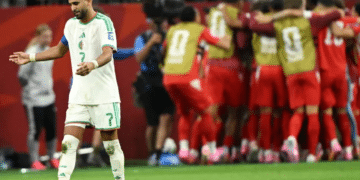
Mo Salah changed Liverpool on and off the pitch

Mohamed Salah’s arrival at Liverpool in the summer of 2017 wasn’t just a successful transfer—it was a pivotal moment. It reshaped much more than the balance of power on the pitch.
The ‘Salah Effect’
In a city where football is an integral part of daily life, a subtle transformation in fan behaviour was taking place. It gripped football spectators and academics alike.
At a time of escalating hate speech across Europe, an academic study presented an alternative model, inspired by Liverpool. The presence of Egyptian star Mohamed Salah was linked to a noticeable decrease in hate crimes and a decline in anti-Muslim rhetoric. This phenomenon has become known more widely as the “Salah Effect.”
In 2021, research at Stanford University’s Immigration Policy Lab, coincide this term, and mapped this social phenomenon, noting that:
“anti-Muslim speech had declined in the Twitter accounts of Liverpool fans compared with those of other soccer teams’ enthusiasts. When Liverpool fans were reminded that Salah is an observant Muslim, they were significantly more likely to then say that Islam was compatible with British values.”
Salah’s talent not only elevated his status on the pitch, as one the Premier League’s most prominent stars. His influence reverberated well beyond the pitch.
The figures speak for themselves
The Standord study analysed data spanning 2017 to 2019, including official hate crime records and millions of social media posts.
Their results have shown:
• A 16% to 19% decrease in hate crimes in Merseyside
• A nearly 50% drop in anti-Muslim rhetoric among Liverpool fans
According to the study, this decline was not observed at the same rate among fans of other clubs. This reinforces its direct link to Salah’s influence.
How did Salah alter the balance?
The study explains these results through the concept of “indirect exposure”. In this context, the frequent presence of a positive public figure leads to a reduction in stereotypes about the groups they represent.
In Salah’s case, he wasn’t just a goalscorer, but a role model present daily on the pitch, in the media, and in the public consciousness. His presence, loyalty to Liverpool, and the adoration of millions, have helped in reshaping the public’s perception of Muslims.
The study ultimately highlights the growing role of football as a tool for social influence. This influence extends beyond competition and impacts individual behaviour.
At no point during his journey at Liverpool did Salah dial down his faith to appease the masses.
In a city where football is an integral part of its identity, Salah become part of the cultural fabric—accepted both as both a sporting professional and a proud Muslim—he won out hearts.
Featured image via the Canary


Leave a Reply