• Donate
  • Login
Friday, July 10, 2026
  • Login
  • Register
Canary
Cart / £0.00

No products in the basket.

MEDIA THAT DISRUPTS
  • UK
  • Global
  • Opinion
  • Skwawkbox
  • Manage Subscription
  • Support
  • Features
    • Health
    • Environment
    • Science
    • Feature
    • Sport & Gaming
    • Lifestyle
    • Tech
    • Business
    • Money
    • Travel
    • Property
    • Food
    • Media
  • SHOP
No Result
View All Result
MANAGE SUBSCRIPTION
SUPPORT
  • UK
  • Global
  • Opinion
  • Skwawkbox
  • Manage Subscription
  • Support
  • Features
    • Health
    • Environment
    • Science
    • Feature
    • Sport & Gaming
    • Lifestyle
    • Tech
    • Business
    • Money
    • Travel
    • Property
    • Food
    • Media
  • SHOP
No Result
View All Result
Canary
No Result
View All Result
  • Editorial
  • Explainer
  • Global
  • Opinion
  • Environment
  • Feature
  • Food
  • Health
  • Science
  • Skwawkbox
  • UK

UK is one of the world’s most nature-depleted countries, new data shows

The Canary by The Canary
10 October 2021
in Global, News, UK
Reading Time: 3 mins read
165 9
A A
1
Home Global
Share on FacebookShare on TwitterShare on BlueskyShare via WhatsAppShare via TelegramShare on Threads

The UK is one of the world’s most nature-depleted countries – and may not have enough biodiversity to prevent an ecological meltdown, according to new data.

The UK has an average of only 53% of its biodiversity left, well below the global average of 75%. That’s according to analysis by the Natural History Museum released on Sunday 10 October.

Biodiversity dwindling fast

Both figures are lower than the 90% average which experts consider the “safe limit” to prevent the world from tipping into an “ecological recession”. This would mean a future in which ecosystems don’t have enough biodiversity to function well. Moreover, it would lead to crop failures and infestations that could cause shortages in food, energy and materials.

Biodiversity represents the variety of plant and animal life on Earth, and scientists say it’s dwindling fast.

Dr Adriana De Palma from the Natural History Museum said:

Much of the world has lost a large amount of its natural biodiversity…

Those systems have lost enough biodiversity to mean that we have to be careful about relying on them functioning in the way that we need them to.

Researchers at the museum have developed the Biodiversity Intactness Index (BII). This measures the percentage of nature that remains in an area.

The UK’s 53% BII places it in the bottom 10% of the world’s countries and last among the G7 group of nations.

The UK’s long-time low position in the league table is linked to the industrial revolution, said professor Andy Purvis from the Natural History Museum’s life sciences department. He said:

That mechanised the destruction of nature to an extent, converting it into goods for profits

The UK has seen relatively stable biodiversity levels over recent years but at a “really low level,” De Palma said.

She explained in a press briefing that the country has seen some increases in the amount of high-quality natural vegetation that helps support native species. However, those gains have been offset by the expansion of cropland and urban areas, as well as population growth.

Meanwhile Purvis, a world-renowned expert on biodiversity metrics, said the UK can fix the problem but:

we’d hope from a global biodiversity perspective that that doesn’t come at the expense of just offshoring biodiversity damage to other places

COP15

The team from the Natural History Museum hope their BII tool will help global leaders meeting for the UN Biodiversity Conference, known as COP15, next week.

The conference, hosted by China, is set to take place online on 11-15 October. A second round will be held in the city of Kunming next spring.

Negotiators are tasked with agreeing a new set of goals for nature over the next 10 years.

None of the world’s last targets for protecting wildlife, which were set in Aichi, Japan, in 2010, were met.
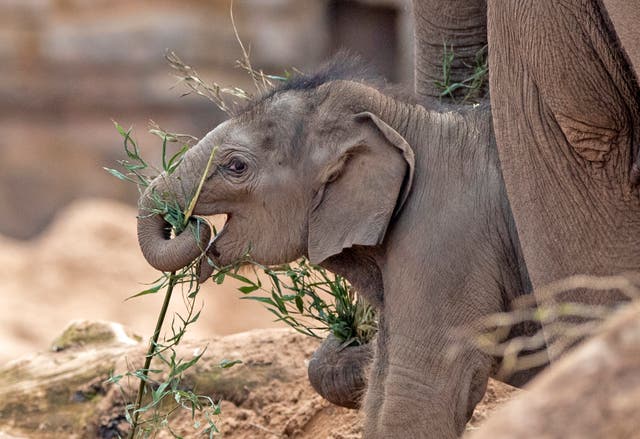
Endangered Asian elephants
Leaders meet next week at COP15 to discuss protecting nature across the planet, such as endangered Asian elephants (Peter Byrne/PA)

“This is our last best chance for a sustainable future,” Purvis said of COP15.

He highlighted the need for action that recognises that developed countries have a stable but low level of biodiversity, while developing countries have a high level that is decreasing fast – a “global levelling up.”

He said:

Biodiversity loss is just as potentially catastrophic for people as climate change, but the solutions are linked.

Stopping further damage to the planet requires big change, but we can do it if we act now, together.

Muddling through as we currently are doing is nowhere near enough to halt, let alone reverse, the ongoing worldwide decline in biodiversity.

Tags: biodiversity crisisclimate crisisEnvironment
Share129Tweet81ShareSendShareShare
Previous Post

Damning revelations emerge about the UK’s clean energy claims ahead of COP26

Next Post

Tories celebrate ‘levelling down’ as the UK descends further into chaos

Next Post
Tories dance at conference

Tories celebrate 'levelling down' as the UK descends further into chaos

People cleaning up a beach after an oil spill and Boris Johnson in the House of Commons

The UK's hesitancy in backing the right to a clean environment is on brand

The DWP logo and Jodey Whiting

Jodey Whiting's mother is once again fighting the justice system and the DWP

UK & EU flags and the UK's Brexit minister Lord Frost

Lord Frost's 'red line' is more bluster to distract from Brexit chaos

Rishi Sunak

Rishi Sunak under fire for ‘planning to recycle IMF windfall as aid money’

Comments 1

  1. bkwanab says:
    5 years ago

    Just another sign that humanity is creating it’s own extinction. Nothing lasts forever but humans have proven capable of accelerating their own demise. So much for intelligence.

    Reply

Leave a Reply Cancel reply

Your email address will not be published. Required fields are marked *

Ann Widdecombe
News

Ann Widdecombe: ghouls gloss over bigotry to praise “fun, feisty” politician as suspect arrested

by Joe Glenton
10 July 2026
Timms Review
Analysis

Disability charities and campaigning organisations react to the interim Timms Review

by Grace
10 July 2026
Palantir
Analysis

Cross-party MPs urge Labour to drop £330m Palantir NHS contract

by Cameron Baillie
10 July 2026
British Army
Analysis

Kill chain: British Army tests new Anduril battlefield spy drones

by Joe Glenton
10 July 2026
Green Party
Analysis

Leaked WhatsApps expose attempts to silence anti-Zionist voices by senior Green Party committee member

by The Canary
10 July 2026

The Canary
PO Box 71199
LONDON
SE20 9EX

Canary Media Ltd – registered in England. Company registration number 09788095.

For guest posting, contact [email protected]

For other enquiries, contact: [email protected]

Complaints and Corrections

About the Canary

Meet the Team

© Canary Media Ltd 2026, all rights reserved | Website by Monster | Hosted by Krystal | Privacy Settings

Ok

Create New Account!

Fill the forms below to register

All fields are required. Log In

Retrieve your password

Please enter your username or email address to reset your password.

Log In
  • UK
  • Global
  • Opinion
  • Skwawkbox
  • Manage Subscription
  • Support
  • Features
    • Health
    • Environment
    • Science
    • Feature
    • Sport & Gaming
    • Lifestyle
    • Tech
    • Business
    • Money
    • Travel
    • Property
    • Food
    • Media
  • SHOP
  • Login
  • Sign Up
  • Cart